










Key Takeaways:
- UV-resistant acrylic withstands -40°F to 200°F temperature extremes maintaining 92% light transmission and preventing yellowing while tinted alternatives reduce visibility 30-50% and cost 15-30% premium.
- Outdoor holders score 5/5 weather resistance and 4/5 overall durability with sealed designs, drainage features, and marine-grade materials surviving coastal salt air and extreme conditions.
- Refill frequency averages 10x weekly for outdoor public spaces versus lower indoor frequencies reflecting accelerated depletion from weather exposure, theft, and transient traffic patterns.
- Strategic placement reducing UV exposure through shaded or north-facing mounting and avoiding gutter runoff locations dramatically extends material lifespan beyond direct-sun installations.
- Weather stripping replacement every 2-3 years and component renewal extending system life through hinge and gasket replacement versus full unit replacement saves significant costs while maintaining protection.
Outdoor brochure holders face constant assault from sun, rain, wind, temperature extremes, and vandalism. Material degradation, water infiltration, and structural failure undermine displays within months without proper weather protection. UV exposure, moisture damage, and temperature cycling destroy inferior holders requiring frequent replacement increasing total ownership costs.
This guide explains weather resistance fundamentals, material specifications, protection features, strategic placement, selection criteria, and maintenance protocols ensuring outdoor displays survive years of exposure while maintaining professional appearance and material accessibility.
What Makes an Outdoor Brochure Holder Truly Weather-Resistant?
Environmental protection determines outdoor holder longevity and effectiveness. Design features must address multiple simultaneous weather challenges.
What Weather Problems Should an Outdoor Holder Protect Against?
UV-resistant acrylic prevents yellowing from prolonged sun exposure maintaining appearance and clarity across years of outdoor service. Standard acrylic degrades rapidly under constant UV bombardment creating cloudy yellow appearance within months. Temperature range tolerance from -40°F to 200°F maintains material integrity preventing cracking during winter freezes or summer heat preventing warping and structural failure common in inferior materials not engineered for extreme conditions.
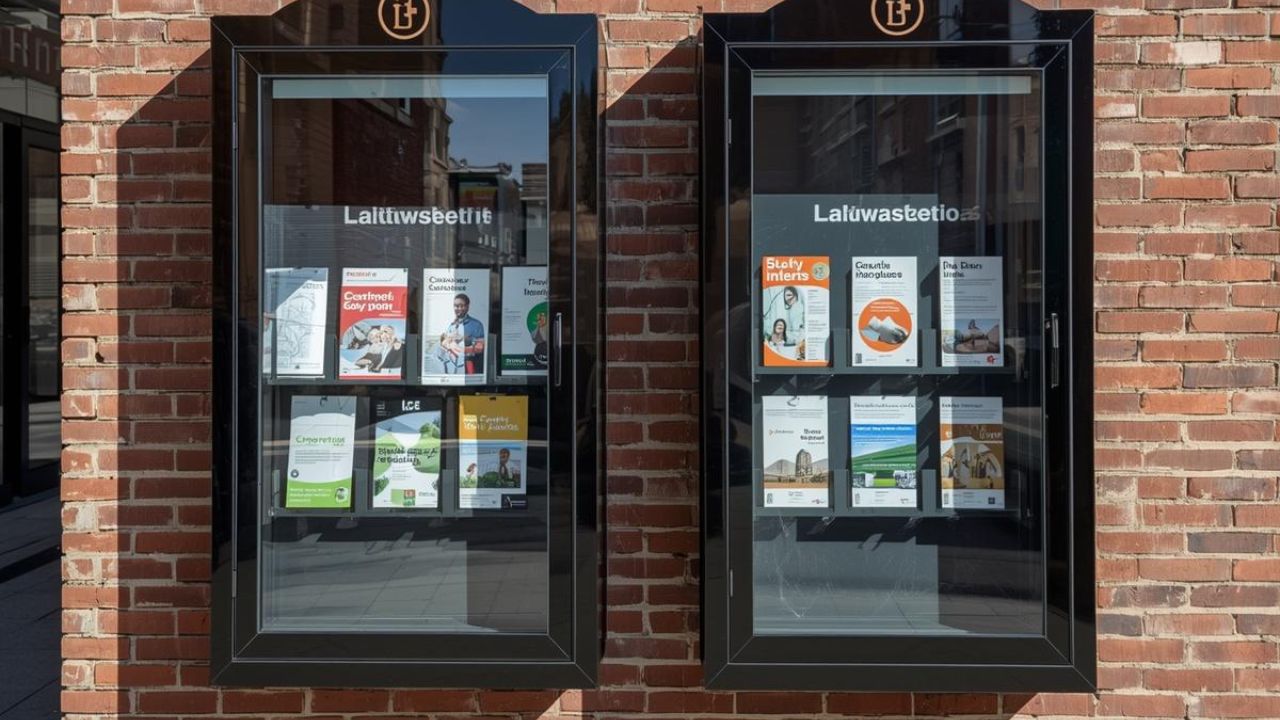
Wind resistance and tip-over prevention during storms and high winds requires weighted bases or secure mounting preventing displays launching across parking lots during severe weather. Sealed designs protect from moisture infiltration and rain damage through gaskets, weather stripping, and overlapping joints creating water barriers around pocket openings. Marine-grade materials for coastal environments with salt air corrosion incorporate stainless steel hardware and corrosion-resistant finishes surviving harsh oceanfront conditions destroying standard metals within seasons. Quality outdoor brochure holders engineered for weather resistance incorporate multiple protective features working together.
What Design Features Actually Keep Water and Debris Out?
Drainage features for rain manage water accumulation through bottom channels and weep holes preventing pooling inside pockets destroying materials through constant moisture exposure. Without drainage, sealed holders become aquariums during heavy rain soaking brochures despite weather-resistant construction. Sealed designs protect from moisture through gaskets and weather stripping creating compression seals when doors close preventing rain infiltration during storms.
Covered versus open-top designs balance protection against accessibility as covered holders provide maximum weather protection while open designs enable quick restocking without opening doors. Refill access balancing weather protection requires top-loading or rear-access designs preventing front exposure compromising seals during restocking procedures. Overhangs and hood designs direct water away from pocket openings creating rain shadows protecting materials even when seals partially fail preventing catastrophic soaking during downpours.
Which Materials Last Longest Outdoors in Real-World Conditions?
Material selection determines survival in harsh outdoor environments. Specifications must address both immediate and long-term exposure.
How Do Acrylic, Polycarbonate, and Metal Compare Outdoors?
Outdoor UV-resistant acrylic maintains clarity in temperature ranges from -40°F to 200°F surviving extreme climate variations from northern winters through southern summers without cracking, warping, or yellowing. This temperature tolerance far exceeds standard acrylic failing at moderate temperature extremes. Crystal clear acrylic provides 92% light transmission ensuring content visibility through weather-resistant panels maintaining readability despite protective thickness. Outdoor holders score 5/5 excellent weather resistance rating on durability scale reflecting purpose-built construction for constant environmental exposure.
Overall durability rating reaches 4/5 for long-term performance balancing weather protection against eventual UV degradation requiring periodic replacement despite superior construction. Even best materials eventually degrade under constant outdoor assault though quality holders last years versus months. Marine-grade materials for coastal environments resist salt corrosion through specialized alloys and protective coatings surviving oceanfront conditions destroying standard hardware rapidly. Salt spray accelerates corrosion exponentially versus inland installations demanding upgraded specifications.
What UV and Corrosion Resistance Specs Should You Look For?
UV-resistant acrylic preventing yellowing maintains appearance over years through UV-absorbing additives blocking degrading wavelengths while maintaining optical clarity. Standard acrylic lacks these protective additives deteriorating rapidly under sun exposure. Temperature tolerance specifications stating -40°F to 200°F indicate proper material selection for extreme climate survival versus vague "outdoor rated" claims lacking specific ranges. Concrete numbers enable verification against local climate data.
Tinted acrylic options typically cost 15-30% premium over clear versions though UV protection justifies expense in high-sun environments where clarity preservation outweighs initial cost. Frosted or tinted alternatives reduce visibility by 30-50% compared to clear acrylic creating readability tradeoffs requiring careful evaluation against UV protection benefits. Maximum visibility sometimes requires accepting faster replacement cycles versus reduced clarity extending lifespan. UV protection coatings extend material lifespan in high-sun environments through transparent protective layers absorbing damaging radiation before reaching base material.
How Do You Prevent Brochures from Getting Wet, Warped, or Wind-Damaged?
Content protection determines outdoor holder effectiveness. Multiple design elements create comprehensive weather barriers.
What Door, Hinge, and Latch Styles Hold Up Best Outside?
Covered versus open-top designs determine weather protection levels as fully enclosed holders with doors provide maximum protection while open designs sacrifice weather resistance for accessibility. High-wind locations demand covered designs preventing material loss during storms. Wind resistance features prevent door swing and material loss through positive latching mechanisms maintaining closures during gusts rather than spring-loaded systems failing under sustained wind pressure.
Vandalism resistance through reinforced closures and tamper-proof designs incorporates concealed fasteners and heavy-duty materials resisting prying and impact damage. Secure latching mechanisms maintain seal integrity during weather events through multi-point latches distributing pressure preventing single-point failures common in basic designs. Heavy-duty hinge construction withstands repeated opening cycles through stainless steel or reinforced plastic resisting corrosion and wear from thousands of refill procedures across years. Advanced outdoor displays integrate hybrid display solutions combining traditional weather-resistant holders with digital engagement.
What Drainage, Seals, and Overhangs Help During Heavy Rain?
Drainage features for rain include bottom channels and weep holes positioned at lowest points enabling gravity drainage preventing water accumulation even when seals partially fail. Strategic drainage placement proves critical as mispositioned holes create dams trapping water despite drainage provision. Sealed designs protect from moisture through multi-point weather stripping creating compression barriers around the entire perimeter rather than single gaskets failing at stress points.
Refill access balancing weather protection requires top-loading or rear-access designs preventing front exposure during restocking avoiding seal compromise every refill cycle. Front-loading designs sacrifice weather resistance for convenience appropriate only for covered locations. Overhang depth specifications directing water runoff away from pockets require a minimum 2-inch projection creating rain shadows protecting openings during vertical rain though deeper overhangs provide better protection during wind-driven rain. Angled mounting prevents water accumulation on horizontal surfaces as proper slope ensures drainage rather than pooling accelerating seal degradation and material damage.
Where Should You Mount an Outdoor Brochure Holder for Maximum Lifespan?
Strategic placement multiplies material specifications' effectiveness. Location determines exposure severity and longevity.
How Does Placement Affect Sun Exposure, Water Runoff, and Vandal Risk?
Mounting options for security include concealed fasteners and anti-theft brackets preventing unauthorized removal from walls through specialized hardware requiring tools for removal versus quick-release systems enabling theft. Vandalism resistance considerations position displays away from hidden areas placing holders in visible high-traffic zones discouraging tampering through passive surveillance versus isolated locations inviting damage.
UV exposure affects material longevity requiring shaded or north-facing placement when possible, reducing direct sun hours dramatically extending acrylic lifespan though south-facing locations demand premium UV-resistant specifications. Water runoff patterns avoid locations below roof edges or gutters preventing concentrated water streams overwhelming drainage systems designed for rain rather than gutter discharge. High-traffic visibility versus isolated placement balances accessibility encouraging material pickup against damage risk as prominent locations increase both legitimate use and potential vandalism requiring case-by-case assessment.
What Mounting Options Work Best for Walls, Posts, and Fences?
Mounting options for security through wall anchors, post brackets, and fence clamps determine installation permanence and theft resistance. Wall anchors provide maximum security requiring tools and wall damage for removal. Stability preventing tip-overs requires level surfaces and secure attachment points as uneven mounting creates stress concentrations causing premature failure and wind vulnerability.
Wall-mount applications provide maximum stability and weather protection through building shelter reducing direct exposure versus freestanding locations facing full environmental assault. Post-mounted solutions serve freestanding locations without building access enabling placement at parking lot edges, trail heads, or property perimeters requiring independent structures. Fence-mounted configurations suit temporary or semi-permanent installations through clamp systems enabling seasonal removal or relocation without permanent installation supporting rotating displays or event-specific applications. Outdoor installations often benefit from custom printed signage integrated with weather-resistant holders creating comprehensive wayfinding systems.
What Is the Bridge Checklist for Choosing the Right Outdoor Holder for Your Location?
Systematic selection ensures specifications match environmental demands. Configuration details determine long-term success.
What Capacity, Pocket Size, and Refill Frequency Should You Plan For?
Capacity ranges from business card holders to magazine-sized pockets measuring 9x12 inches typically accommodating standard marketing formats within weather-protected compartments. Outdoor applications often require larger individual pocket depth accommodating weather-sealed materials thicker than standard indoor brochures. Refill frequency for outdoor public spaces averages 10x weekly higher than indoor locations reflecting accelerated depletion from weather exposure, theft, and transient traffic patterns creating unpredictable material loss.
Outdoor holders score 10/10 for outdoor event suitability on application matrix reflecting purpose-built optimization for temporary installations, festivals, and public gatherings requiring portable weather-resistant solutions. Maximum rating demonstrates specific engineering for challenging outdoor event conditions. Pocket depth accommodating weather-sealed materials requires extra clearance for thicker covers and reinforced construction versus standard pockets sized for unprotected materials. Multi-pocket configurations require individual weather sealing per compartment preventing water infiltration through shared spaces compromising the entire display when a single pocket fails.
What Security and Tamper-Resistance Features Are Worth It?
Mounting options for security prevent unauthorized removal from walls through concealed fasteners requiring tool access and wall damage discouraging casual theft versus surface-mounted holders removed within seconds. High-value locations justify security hardware expenses. Vandalism resistance through impact-resistant materials and reinforced construction incorporates polycarbonate panels and heavy-gauge frames surviving impacts destroying standard holders though premium materials increase initial costs substantially.
Warranty coverage for outdoor use typically extends 2-5 years with proper maintenance reflecting manufacturer confidence in weather resistance though coverage excludes vandalism and extreme weather damage. Warranty terms reveal quality expectations as longer coverage indicates superior materials and construction. Locking mechanisms protect valuable materials or prevent theft through keyed access restricting removal to authorized personnel though locks add complexity to restocking procedures. Concealed hardware eliminates prying points and tool access through internal fastening systems and smooth external surfaces providing no purchase for vandalism tools.
How Do You Maintain Outdoor Brochure Holders So They Keep Looking Good?
Proactive maintenance preserves appearance and extends lifespan. Regular procedures prevent minor issues becoming major failures.
What Cleaning and Inspection Routine Prevents Clouding and Cracks?
UV-resistant acrylic preventing yellowing requires periodic inspection for degradation checking for discoloration, crazing, or surface deterioration indicating approaching replacement needs before catastrophic failure. Early detection enables planned replacement versus emergency response. Outdoor UV-resistant acrylic maintains clarity in temperature ranges from -40°F to 200°F though regular cleaning removes contaminants accelerating degradation despite material specifications.
Regular cleaning schedules remove debris preventing material scratching as accumulated dirt acts as abrasive during wind movement creating permanent surface damage. Monthly cleaning minimum prevents buildup in most environments though high-pollen or high-dust locations require more frequent attention. Seal inspection detects moisture infiltration before internal damage occurs through visual checks for water marks, mold, or material warping indicating seal failure requiring immediate attention. Weather stripping replacement intervals maintain water-tight integrity through annual inspection and replacement every 2-3 years depending on exposure severity and material quality. Modern outdoor displays increasingly incorporate QR-integrated tracking systems enabling engagement measurement despite weather challenges.
When Should You Replace Parts Instead of Replacing the Whole Holder?
Warranty coverage for outdoor use defines replacement versus repair thresholds as manufacturers specify serviceable components versus complete replacement scenarios. Understanding coverage prevents unnecessary full replacements when component swaps restore functionality. Durability rating 4/5 indicates multi-year lifespan with proper maintenance suggesting 3-5 year service life in typical conditions though harsh environments accelerate replacement cycles.
Door hinge replacement extends holder life versus full unit replacement when frame and panels remain sound but mechanical components fail from repeated use. Hinges represent highest-wear components justifying replacement stock for critical installations. Seal and gasket replacement intervals restore weather resistance through periodic renewal every 2-3 years maintaining protection without replacing the entire holder, saving significant costs. UV degradation signs trigger acrylic panel replacement while retaining frame when panels show yellowing or crazing but structure remains solid enabling cost-effective restoration extending overall system life.
Maximize Outdoor Display Longevity Through Strategic Selection and Maintenance
Weather-resistant outdoor brochure holders require comprehensive protection systems addressing UV exposure, temperature extremes, moisture infiltration, wind damage, and vandalism through material specifications, design features, strategic placement, and systematic maintenance.
Specify Materials Engineered for Outdoor Exposure
UV-resistant acrylic with -40°F to 200°F temperature tolerance provides foundation for outdoor survival maintaining clarity and structural integrity across extreme conditions. Standard materials fail rapidly under outdoor assault while purpose-built specifications deliver multi-year performance. Crystal clear acrylic with 92% light transmission maintains content visibility through protective panels ensuring readability despite weather resistance features adding thickness.
Marine-grade materials incorporate stainless steel hardware and corrosion-resistant finishes surviving coastal salt air destroying standard metals within seasons. Coastal installations demand upgraded specifications beyond standard outdoor ratings. Outdoor holders scoring 5/5 weather resistance and 4/5 overall durability balance immediate protection against eventual degradation requiring periodic replacement despite superior construction.
Tinted acrylic options costing 15-30% premium provide enhanced UV protection though visibility reduction of 30-50% creates readability tradeoffs. Premium materials justify expense through extended lifespan and reduced replacement frequency versus cheaper alternatives requiring constant renewal. UV protection coatings extend material lifespan through transparent protective layers though periodic recoating maintains effectiveness.
Implement Comprehensive Weather Protection Features
Sealed designs with gaskets and weather stripping create moisture barriers through compression seals preventing rain infiltration during storms. Multi-point sealing proves superior to single gaskets distributing stress and providing redundancy when sections fail. Drainage features including bottom channels and weep holes prevent water accumulation enabling gravity drainage even when seals partially fail.
Covered designs with doors provide maximum weather protection through enclosed compartments though accessibility sacrifice requires evaluation against protection benefits. Wind resistance features prevent door swing through positive latches and material loss through secure closures. Overhangs minimum 2 inches deep direct water runoff creating rain shadows protecting openings during vertical rain though deeper projection improves wind-driven rain protection.
Heavy-duty hinges withstand repeated opening through stainless steel or reinforced plastic resisting thousands of cycles across years. Refill access through top-loading or rear designs prevents front seal compromise during restocking maintaining weather integrity. Vandalism resistance incorporates impact-resistant materials and reinforced construction surviving damage destroying standard holders.
Optimize Placement Reducing Environmental Exposure
Strategic mounting minimizes UV exposure through shaded or north-facing placement reducing direct sun hours dramatically extending material lifespan. Water runoff assessment avoids locations below gutters preventing concentrated streams overwhelming drainage systems. High-traffic visibility balances accessibility against vandal risk through prominent placement discouraging tampering.
Wall-mount applications provide maximum stability and building shelter reducing exposure versus freestanding locations facing full environmental assault. Post-mounted solutions enable remote placement without building access supporting parking lots, trails, and property perimeters. Fence-mounted configurations suit temporary installations through clamp systems enabling seasonal removal.
Concealed fasteners and anti-theft brackets prevent unauthorized removal requiring tools and wall damage discouraging theft. Level mounting prevents stress concentrations causing premature failure and wind vulnerability. Proper slope ensures drainage preventing water accumulation accelerating deterioration.
Establish Systematic Maintenance Protocols
Refill frequency averaging 10x weekly for outdoor public spaces addresses accelerated depletion from weather, theft, and transient traffic. Regular restocking prevents empty displays undermining professional image and information availability. Monthly cleaning minimum removes debris preventing scratching though high-contamination environments require increased frequency.
Seal inspection detects moisture infiltration through visual checks for water marks enabling intervention before major damage. Weather stripping replacement every 2-3 years maintains water-tight integrity through proactive renewal. UV degradation monitoring identifies discoloration or crazing triggering panel replacement before catastrophic failure.
Component replacement extends system life through hinge renewal when mechanical elements fail but structure remains sound. Gasket replacement restores weather resistance without full holder replacement saving significant costs. Planned replacement based on warranty coverage and durability ratings enables budgeting and prevents emergency situations.
Capacity planning accommodates 9x12 inch typical pockets with extra depth for weather-sealed materials. Multi-pocket configurations require individual sealing, preventing water infiltration through shared spaces. Security features including locking mechanisms justify expense in high-value locations though complexity affects restocking procedures.
Businesses requiring weather-resistant outdoor brochure holders for challenging environmental conditions, remote locations, or coastal installations benefit from professional consultation optimizing material specifications, protection features, placement strategies, and maintenance protocols ensuring maximum longevity and minimal total ownership costs.
Partner With Outdoor Display Specialists for Maximum Weather Protection
Displays and Holders provides weather-resistant outdoor brochure holder systems engineered for extreme environmental conditions through UV-resistant acrylic, sealed designs, marine-grade hardware, and comprehensive protection features. Our expertise helps facilities managers, parks departments, retail operations, real estate professionals, and event coordinators select optimal outdoor holders matching climate conditions, exposure severity, security requirements, and maintenance capabilities.
Comprehensive offerings include wall-mounted, post-mounted, portable, and custom configurations delivering proven weather resistance across diverse outdoor applications. Pair these solutions with our durable sign holders to create a complete visual communication system for any exterior space. Contact our specialists to discuss your outdoor brochure holder requirements and receive recommendations based on climate data, placement constraints, security needs, and maintenance resources ensuring professional appearance and reliable material protection across years of outdoor service.
.