











Key Takeaways:
- Well-placed countertop displays boost sales 15-30% with average Promotional Program Value of 499% meaning $4.99 return per $1 invested demonstrating exceptional marketing ROI.
- Strategic point-of-sale placement increases impulse purchases by 20% while conversion rate optimization delivers 5-15% improvements translating to double-digit profit gains across transaction volumes.
- Compact 6x8 to 12x15 inch footprint preserves transaction space while crystal clear acrylic with 92% light transmission maintains visibility across thousands of customer interactions.
- High-traffic refill frequency averages 14x weekly (twice daily) with capacity planning at 70-80% fill levels balancing full appearance against easy material removal and professional presentation.
- Countertop displays score 10/10 retail suitability rating through tiered designs maximizing vertical space, rotating bases enabling self-service access, and materials withstanding constant handling and daily cleaning.
Countertop displays drive impulse purchases and maximize point-of-sale revenue. Effective displays withstand constant customer contact while maintaining professional appearance throughout busy retail days. Strategic selection, placement, and maintenance determine whether displays generate measurable sales lift or consume valuable counter space unproductively.
This guide explains high-traffic display requirements, material selection, sizing considerations, placement optimization, setup procedures, and maintenance protocols converting casual browsers into purchasing customers.
What Makes a Countertop Display Work in a High-Traffic Retail Area?
High-traffic counters demand displays engineered for constant customer interaction. Durability, stability, and visibility determine success in fast-paced retail environments.
What Problems Do High-Traffic Counters Create for Displays?
Stability preventing tip-overs from customer contact proves essential in high-traffic environments where dozens or hundreds of shoppers interact with displays daily. Unstable displays create safety hazards while damaging materials and disrupting checkout flow. Durability withstanding constant handling requires materials resisting scratches, cracks, and clouding despite repeated customer contact. Cheap displays deteriorate rapidly under heavy use requiring frequent replacement.
Theft deterrence for valuable materials becomes necessary near unsupervised checkout areas where customers grab items while staff process transactions. Displays must balance accessibility against security preventing unauthorized removal of entire holders or premium materials. Counter congestion from oversized displays blocks transaction processing, merchandise visibility, and customer movement creating operational inefficiencies offsetting any marketing benefit.
What "Good" Looks Like for Visibility, Access, and Cleanliness?
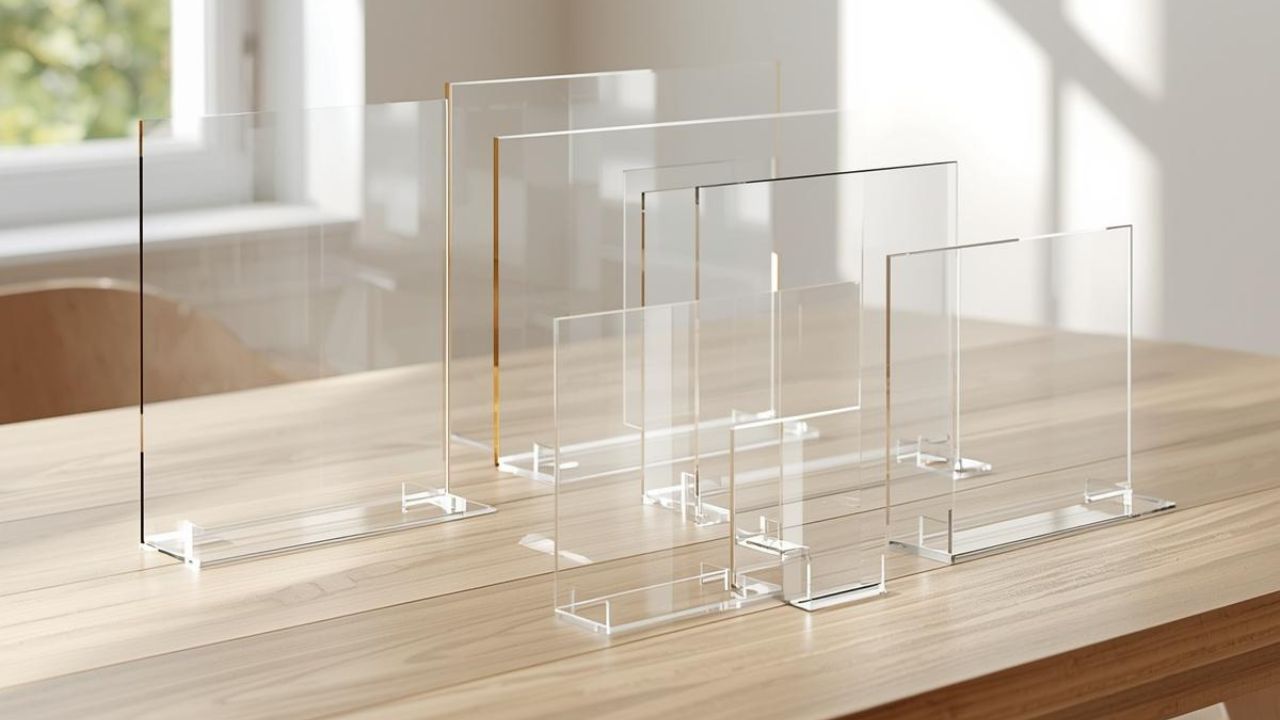
Crystal clear acrylic provides 92% light transmission showcasing materials with maximum clarity preventing visibility degradation common in inferior materials. Professional appearance signals quality before customers read content influencing purchasing decisions subconsciously. Clear sightlines to merchandise ensure product visibility behind displays preventing displays from blocking revenue-generating merchandise requiring unobstructed customer views.
Easy restocking from behind the counter enables efficient material replenishment without disrupting customer-facing operations. Staff quickly reload displays during transaction gaps maintaining full presentation throughout business hours. Smooth surfaces easy to sanitize maintain professional appearance through regular cleaning removing fingerprints, spills, and dust accumulation. Aesthetic matching brand standards reinforces professional image through coordinated colors, finishes, and styles creating a cohesive retail environment. Quality countertop displays engineered for retail environments balance durability against aesthetic requirements specific to high-traffic applications.
What Are the Best Types of Countertop Displays for Fast-Moving Foot Traffic?
Display configuration affects accessibility and capacity. Format selection matches material types and customer browsing behavior.
Which Countertop Display Styles Fit Flyers, Brochures, Cards, or Small Products?
Business card integration accommodates multiple material types efficiently within a compact footprint. Combined holders distribute contact information alongside product literature creating comprehensive information points. Tiered designs maximize vertical space within compact footprint by stacking pockets creating multi-level presentation visible from customer approach angles.
Rotating bases enable self-service accessibility allowing customers browsing all faces without staff assistance. Multi-sided access increases material variety within limited counter space. Capacity ranges from business card holders to magazine-sized pockets measuring 9x12 inches typically accommodating diverse retail material formats. Size-based pocket selection matches actual material dimensions preventing forcing oversized materials into inadequate spaces or wasting capacity with undersized pockets.
Countertop displays score 10/10 suitability rating for retail store applications based on comprehensive assessment across portability, capacity, durability, and professional appearance factors. This maximum rating reflects optimization for retail-specific requirements including checkout integration and impulse purchase facilitation. Implementing LED-enhanced display stands creates premium presentation attracting customer attention in competitive retail environments.
What Materials Hold Up Best to Daily Handling and Frequent Cleaning?
Crystal clear acrylic maintains 92% light transmission with scratch resistance preserving clarity across thousands of customer interactions. Inferior materials cloud or scratch within weeks while quality acrylic maintains transparency for years. Frosted or tinted alternatives reduce visibility by 30-50% compared to clear acrylic creating readability problems under varied lighting conditions.
Tinted acrylic options typically cost 15-30% premium over clear versions offering brand color matching or glare reduction. Premium pricing requires justification through specific aesthetic or functional requirements. Smooth acrylic surfaces enable easy cleaning preserving transparency through simple wiping removing fingerprints and debris without specialized products or techniques. Advanced anti-glare technologies optimize visibility in high-traffic retail environments with challenging lighting conditions.
How Do You Choose the Right Countertop Display Size Without Crowding the Counter?
Proper sizing balances material capacity against transaction space. Overcrowding reduces checkout efficiency while undersizing limits marketing effectiveness.
How Much Counter Space Should You Reserve for Displays vs Checkout?
Compact footprint spanning 6x8 to 12x15 inches maximum preserves selling space while providing adequate material capacity. Larger displays consume excessive counter area reducing transaction processing efficiency. Capacity balancing volume with space constraints optimizes counter real estate by selecting minimum size accommodating required materials without excess.
Multi-pocket displays offer cost-per-pocket economy for diverse materials by consolidating multiple material types within a single footprint. Individual single-pocket holders consume more total space when distributing equivalent material variety. Strategic sizing considers peak transaction volumes ensuring displays never obstruct checkout operations during busy periods when counter space proves most valuable.
What Pocket Depth, Capacity, and Stability Features Matter Most?
Tiered designs maximize vertical space without excessive horizontal spread by stacking pockets creating visible presentation within a compact base. Vertical optimization proves critical for limited counter areas. Capacity planning preventing overstuffing maintains professional appearance by loading pockets to approximately 80% capacity enabling easy material removal while preventing binding or curling.
Stability features prevent tip-overs during customer contact through weighted bases, non-slip pads, or wide footprints distributing center of gravity. Testing involves gentle pushing simulating customer interaction ensuring displays resist tipping. Typical capacity accommodates business cards through magazine formats within properly-sized pockets matching common retail material dimensions including tri-fold brochures, letter-size sheets, and standard business cards.
Where Should You Place Countertop Displays to Get More Pickups and Add-On Sales?
Placement location dramatically affects pickup rates and impulse purchases. Strategic positioning intercepts customers at decision moments.
What Placement Zones Work Best Near Registers, Queues, and Service Desks?
Impulse purchase integration near point-of-sale capitalizes on buying moments when customers already committed to transactions exhibit lower resistance to add-on purchases. Research shows POP displays increase impulse purchases by 20% when positioned at checkout creating measurable revenue lift. Displays in right locations drive up to 30% more sales compared to suboptimal positioning demonstrating placement importance.
Well-placed POP displays boost sales by 15% through strategic positioning near decision points. Average Promotional Program Value for in-store POP displays reaches 499% meaning every $1 spent on displays generates $4.99 return demonstrating exceptional ROI when properly implemented. Queue positioning during wait times provides captive audience exposure as customers standing in line browse available materials filling idle time productively.
How Do You Position Displays Without Blocking Sightlines or Payment Flow?
Clear sightlines to merchandise prevent blocking product visibility behind counters where high-margin items require unobstructed customer views. Displays positioned blocking merchandise reduce overall revenue despite increasing material pickup. Compact footprint preserves checkout workflow by maintaining adequate space for transaction processing, bagging, and customer movement.
Strategic positioning balances material access against transaction flow by placing displays adjacent to rather than directly in checkout paths. Customers easily grab materials without disrupting payment processing. Corner placement utilizes dead space while maintaining accessibility. End-of-counter positioning provides visibility without workflow interference. Professional brochure holders integrate seamlessly with existing counter configurations supporting both marketing and operational objectives.
What Is the Bridge Setup Checklist for Installing and Loading Countertop Displays?
Systematic setup ensures professional appearance and operational efficiency. Organized installation prevents common problems reducing effectiveness.
What Step-by-Step Setup Keeps Displays Straight, Secure, and Easy to Refill?
Grid layouts create uniform appearance through consistent spacing and alignment when deploying multiple displays across several registers or service points. Standardization simplifies staff training and customer navigation. Staggered arrangements provide visual interest for single-point installations breaking monotony through intentional asymmetry drawing attention.
Easy restocking from behind the counter enables efficient workflow by positioning display openings toward staff rather than customers. Staff reload materials during transaction gaps without reaching across counters or disrupting customer-facing presentation. Stability testing prevents tip-over incidents through gentle pushing before customer access verifying secure positioning. Unstable displays require base adjustment, relocation, or replacement before going live.
What Signage, Headers, and Calls-to-Action Should You Pair With the Display?
Color-coding systems organize materials visually through header colors corresponding to product categories, price points, or promotional status. Customers quickly identify relevant materials through color association. Labeling best practices clarify content categories through short descriptive headers communicating material purpose without requiring examination.
Visual hierarchy positions priority items at optimal viewing height typically top or center pockets where customer eyes naturally focus. Secondary materials occupy less prominent positions. Category-based arrangement by topic or service guides selection by grouping related materials enabling logical browsing. "Learn More" or "Take One" calls-to-action prompt customer engagement through explicit instructions increasing pickup rates versus unmarked displays.
How Do You Maintain and Improve Countertop Displays Over Time?
Consistent maintenance preserves appearance and effectiveness. Systematic improvement optimizes performance through data-driven adjustments.
What Refill, Rotation, and Cleaning Routine Prevents Messy or Empty Pockets?
Refill frequency for retail high-traffic environments averages 14x weekly meaning twice-daily restocking maintaining availability during peak shopping periods. High-volume locations require monitoring throughout the day preventing complete depletion between scheduled refills. Capacity planning prevents overstuffing degrading appearance by maintaining 70-80% fill levels enabling easy removal while looking adequately stocked.
Cross-selling arrangements place related materials adjacent encouraging customers taking multiple pieces. Complementary products positioned together increase total material pickup and potential purchase value. Regular cleaning preserves transparency and professional image through daily wiping removing fingerprints, dust, and spills. Cleaning during opening or closing procedures maintains consistent presentation throughout operating hours.
What Simple Tests Help You Improve Pickup Rate and Sales Lift?
McKinsey's 2024 retail study reports conversion rate increases of 5-15% with hyper-personalization demonstrating measurable impact from optimization efforts. Stores boosting conversion rate by even a few points see double-digit profit gains as small percentage improvements compound across transaction volumes.
A/B testing different arrangements measures engagement differences by alternating configurations across similar registers or time periods tracking pickup rates. Systematic testing identifies highest-performing layouts, materials, and positions. Tracking impulse purchase rates quantifies display effectiveness by monitoring add-on sales associated with displayed materials versus baseline periods without displays. Monitoring 20% impulse purchase increase potential from strategic placement provides a benchmark for success evaluation. Material depletion tracking by position identifies highest-performing pockets versus underutilized locations guiding optimization.
Drive Measurable Sales Lift Through Strategic Countertop Display Implementation
Countertop displays deliver substantial returns when properly selected and positioned. Research demonstrates well-placed POP displays boost sales by 15% while strategic location selection drives up to 30% additional sales compared to baseline performance. Promotional Program Value averaging 499% means every dollar invested in displays generates nearly five dollars return demonstrating exceptional marketing efficiency.
Quantify ROI Through Conversion and Impulse Purchase Metrics
Impulse purchase increases of 20% from effective displays create measurable revenue lift beyond primary transaction values. Conversion rate improvements of 5-15% through optimization compound across customer traffic volumes creating significant profit impacts. Retail studies confirm stores boosting conversion even marginally achieve double-digit profit gains as small percentage improvements multiply across thousands of transactions.
Select Durable Materials and Optimal Footprints for High-Traffic Performance
Physical specifications optimize performance through compact 6x8 to 12x15 inch footprints preserving transaction space while providing adequate capacity. Crystal clear acrylic with 92% light transmission maintains visibility across thousands of customer interactions. Materials withstand daily handling through scratch-resistant construction preserving clarity for years. Smooth surfaces enable easy cleaning and maintain professional appearance through simple wiping procedures.
Choose Configurations Maximizing Vertical Space and Self-Service Access
Configuration choices affect accessibility and capacity. Tiered designs maximize vertical space within a compact footprint. Business card integration consolidates multiple material types efficiently. Rotating bases enable self-service browsing from all sides. Size-based pocket selection accommodates diverse formats from business cards through magazine-sized materials measuring up to 9x12 inches typical.
Position Displays at Decision Points for Maximum Impulse Purchase Impact
Strategic placement drives results through impulse purchase integration near point-of-sale capitalizing on buying moments. Queue positioning provides captive audience exposure during wait times. Corner placement utilizes dead space while maintaining accessibility. Clear sightlines preserve merchandise visibility behind displays preventing revenue reduction from blocked products.
Implement Systematic Maintenance and Testing for Sustained Effectiveness
Maintenance protocols sustain effectiveness through twice-daily refilling in high-traffic environments. Capacity planning at 70-80% fill levels balances full appearance against easy removal. Cross-selling arrangements position complementary materials adjacent. Regular cleaning preserves transparency. A/B testing identifies optimal configurations. Impulse purchase tracking quantifies effectiveness enabling data-driven optimization.
Countertop displays score 10/10 suitability rating for retail store applications reflecting optimization for checkout integration and impulse purchase facilitation. This maximum rating demonstrates purpose-built design for retail-specific requirements. Businesses requiring specialized countertop configurations benefit from custom display solutions engineered for specific counter dimensions, branding requirements, and material types.
Partner With Retail Display Specialists for Optimal Counter Solutions
Displays and Holders provides countertop display solutions optimized for high-traffic retail environments through durable construction, professional appearance, and compact configurations. Our expertise helps retail managers, store designers, and merchandising teams select optimal displays matching counter dimensions, traffic volumes, and material requirements.
Comprehensive offerings include single-pocket, multi-pocket, tiered, rotating, and integrated designs addressing diverse retail applications. Contact our specialists to discuss your countertop display needs and receive recommendations based on counter space, traffic patterns, material types, and sales objectives ensuring maximum ROI and professional presentation.