










Key Takeaways:
- Only 10% of PMMA acrylic currently recycled with 90% reaching landfills or incineration—chemical depolymerization breakthrough enables virgin-quality regenerated MMA recovery.
- Recrylic closed-loop system achieves 90% carbon emission reduction accepting any type/color acrylic (printed, painted, dyed, glued) in 50/50 pre-consumer/post-consumer mix.
- Acrylic recyclable indefinitely as itself unlike other plastics downcycled into different materials—PMMA maintains quality through multiple mechanical and chemical recycling cycles.
- Kohl's, Brooks, and Target use Recrylic for closed-loop displays while displays lasting 4 cycles versus 1 cut carbon impact up to 75% through reusability.
- Proper preparation requires separating adhesives, coatings, paints, and hardware components before transport to specialized PMMA recyclers or manufacturer take-back programs.
Only 10% of PMMA acrylic currently recycled—90% reaches landfills. Chemical depolymerization achieves 90% carbon footprint reduction versus virgin material. Major producers Trinseo and Röhm investing in depolymerization plants. Understanding PMMA properties, preparation requirements, and specialized channels enables retailers to capture value while reducing environmental impact.
What Makes Acrylic Displays a Unique Material to Recycle?
PMMA chemistry and component complexity determine recycling pathways. Understanding material composition guides identification and preparation.
What types of acrylic (cast vs. extruded PMMA) are used in display holders?
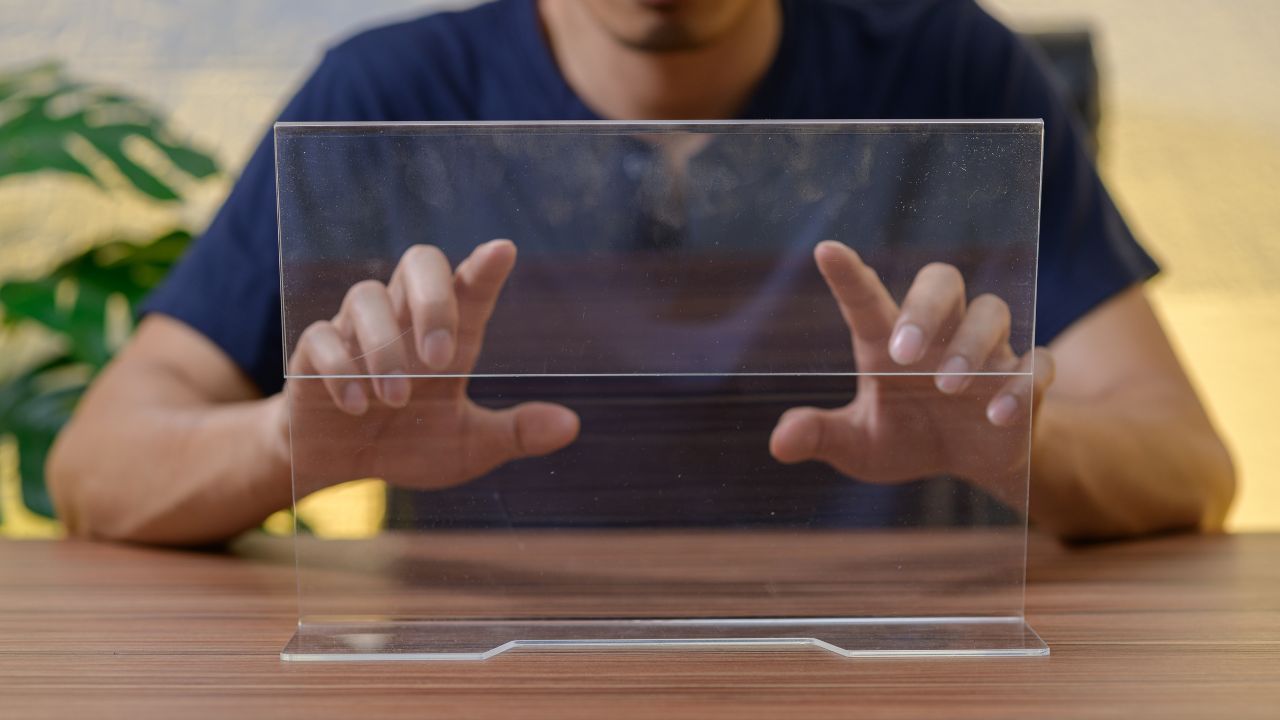
Acrylic (PMMA—polymethyl methacrylate) is thermoplastic melted and reformed multiple times. Also known as Plexiglass or Perspex referring to identical material. Lightweight and shatter-resistant making it a popular glass alternative for acrylic sign holders and displays. Glass-like transparency with superior impact resistance. Easier to fabricate, cut, shape than glass enabling custom applications.
How does acrylic differ from PETG, polycarbonate, and PVC in recyclability?
Acrylic recyclable indefinitely as itself—unlike other plastics downcycled into different materials. PMMA maintains quality through multiple recycling cycles. This circular potential distinguishes acrylic from single-use plastics. Material chemistry enables both mechanical and chemical recycling pathways.
Which components (adhesives, magnets, hardware) complicate acrylic recycling?
Must be separated from coatings, paints, adhesives, complicating the process. Brochure holders and sign holders require cleaning before acceptance. Hardware components including hinges, magnets, metal bases, plastic fasteners must be removed. Design for disassembly enables easy separation, preventing contamination.
Can Acrylic Display Holders and Signage Be Recycled?
PMMA recyclability is proven but infrastructure limitations prevent widespread recovery. Understanding acceptance criteria guides realistic expectations.
How recyclable is PMMA acrylic compared with other clear retail plastics?
Acrylic is recyclable using mechanical or chemical processes. Can be repurposed into new products when reaching end of lifecycle. Regenerated MMA (rMMA) achieves virgin-quality material through chemical recycling. Same durability, performance, aesthetic appeal as virgin acrylic after proper recycling. 100% recycled AND 100% recyclable creating an evergreen approach. Acrylic signage and displays made from durable recyclable materials supporting circular economy.
Why do curbside programs reject acrylic even though PMMA is recyclable?
Requires specialized recycling facilities unavailable in most municipal programs. Lower recycling rate than other plastics due to specialized facility requirements. Depends on local recycling infrastructure availability varying by region. Recycling is not as straightforward as PET or HDPE requiring different equipment. Several factors affect acceptance: local infrastructure and specific acrylic type. Efforts to improve recycling technology and infrastructure underway expanding acceptance.
When does acrylic end up in landfill instead of being properly recovered?
Currently 90% of PMMA ends up in landfills or incineration—only 10% recycled. Without proper disposal channels acrylic reaches landfills instead of recovery. Improper disposal when recycling centers don't accept PMMA. Lack of specialized facilities in many regions prevents recycling. Contamination from adhesives or mixed materials causes rejection. Consumer and business ignorance about recycling options contributes to landfilling.
How Does the Acrylic Recycling Process Work?
Two distinct pathways process acrylic: mechanical grinding versus chemical depolymerization. Understanding differences guides material preparation and channel selection.
How does mechanical acrylic recycling convert scrap into regrind?
Mechanical recycling shreds acrylic waste into small pieces through grinding. Shredded material heated and melted down into liquid form. Reformed into sheets, rods, tubes for new products. Can be repeated multiple times without compromising quality—unique among plastics. Common and effective for signage and construction industries. Acrylic custom signs and signage melted down into new items like sheets, signs, accessories. Process economical for large-volume clean scrap without heavy contamination.
How does chemical depolymerization recover MMA monomer from acrylic?
Chemical recycling breaks acrylic into original monomers (methyl methacrylate). Monomers are-polymerized into high-quality acrylic resin identical to virgin material. Suitable for creating new acrylic signage and displays meeting original specifications. Less common but provides sustainable solution for high-quality recycled acrylic. Recrylic closed-loop lifecycle: collect displays and scrap, break into pieces, melt, re-distill into monomers, form sheets, fabricate products, deploy, recycle again. Accepts any type/color—printed, painted, dyed, glued acrylic. Mix approximately 50/50 pre-consumer and post-consumer scrap.
Environmental impact dramatic: 90% carbon emission reduction versus virgin acrylic per academic study. Over 1/3 production operation powered by fuel distilled during the recycling process. Regenerated MMA (rMMA) achieves virgin-quality material. Major producers Trinseo and Röhm investing in depolymerization plants expanding capacity.
How do recyclers sort, clean, and process mixed acrylic display waste?
Recrylic accepts any type/color including printed, painted, dyed, glued material. Approximately 50/50 pre-consumer and post-consumer scrap mix accepted. Acrylic separated from other materials in specialized facilities. Must be isolated from coatings, paints, adhesives before processing. Sorting distinguishes PMMA from other clear plastics like PETG or polycarbonate. Contaminated loads rejected requiring proper preparation. Clean material commands higher value than contaminated or mixed loads.
How Should Businesses Identify Acrylic Before Beginning the Recycling Process?
Accurate identification prevents contamination and rejection. Material testing confirms PMMA versus similar plastics.
How can resin codes, optical tests, or flame tests confirm a material is PMMA?
Material defined as PMMA (polymethyl methacrylate) with specific properties. Transparent shatter-resistant plastic with glass-like appearance but lightweight. Superior impact resistance versus actual glass. Often called "acrylic glass" though not true glass. Properties and composition distinguish PMMA from alternatives. Resin identification codes mark recyclable acrylic. Optical clarity tests reveal material characteristics. Flame tests produce specific burn patterns for PMMA identification.
How do you distinguish acrylic from PETG or polycarbonate in signage?
Perspex is the brand name for acrylic—same material as PMMA. Plexiglass is another brand name for acrylic. All three names (acrylic, Perspex, Plexiglass) used interchangeably. Same material composition: polymethyl methacrylate. Same characteristics in durability, clarity, recyclability. No significant difference between Perspex and acrylic composition. PETG and polycarbonate have different chemical structures requiring different recycling. Visual and physical testing distinguish materials when labels are absent.
Which visual clues help identify coated, back-painted, or printed acrylic?
Printed, painted, dyed, glued acrylic still recyclable through chemical process. Coatings, paints, adhesives complicate mechanical recycling requiring separation. Visual inspection for surface treatments necessary before recycling. Back-painted signage identifiable through opaque backing layer. Surface coatings visible under proper lighting and inspection. Printed graphics indicate the need for chemical rather than mechanical recycling. Multiple layers suggest complexity requiring specialized processing.
How Should Acrylic Display Holders Be Prepared for Recycling?
Proper preparation prevents contamination and rejection. Systematic disassembly maximizes recovery value.
How should adhesives, stickers, vinyl graphics, and tape be removed?
Must be separated from coatings, paints, adhesives before recycling facility acceptance. Acrylic commonly mixed with adhesives complicates the process. Cleaning required for used holders prevents contamination. Proper preparation essential for recycling acceptance and value. Remove stickers and vinyl graphics mechanically or with safe solvents. Tape residue cleaned thoroughly preventing adhesive contamination. Surface preparation increases material value and acceptance likelihood.
How should hinges, magnets, metal bases, and plastic fasteners be separated?
Components must be removed before recycling prevents contamination. Design for disassembly enables easy recycling and repurposing. Engineering displays for easy component separation critical for recovery. Hardware removal prevents contamination of acrylic recycling streams. Hinges and fasteners manually disassembled during preparation. Magnets removed preventing sorting equipment damage. Metal bases separated for metal recycling streams. Plastic fasteners are sorted into appropriate plastic recycling categories.
How should cleaned acrylic be stacked, protected, and packaged for transport?
Proper packaging for transport to recycling facilities prevents damage. Stacking procedures prevent scratching during transit, maintaining value. Space-saving packaging lowers freight emissions and costs. Consolidate shipments to reduce fuel usage and transportation impact. Flat stacking maximizes load density reducing trips. Edge protection prevents chipping during handling. Secure packaging prevents movement causing damage in transit.
How Should Acrylic Signage Be Prepared for Recycling?
Signage disassembly follows similar principles with scale considerations. Component separation essential for recovery value.
How do you disassemble wall-mounted signage, standoffs, and frames?
Design for disassembly enables engineering displays for easy recycling and repurposing. Modular builds enable reuse across multiple campaigns reducing waste. Disassembly procedures required for wall-mounted installations. Frame separation from acrylic panels necessary before recycling. Standoff hardware removed and sorted separately. Mounting brackets separated for metal recycling. Document disassembly procedures for training and standardization.
How should laminated, backlit, or printed sign faces be handled?
Printed acrylic acceptable in chemical recycling—Acrylic accepts printed material. Laminated materials may require separation depending on recycler requirements. Backlit signage components must be separated before recycling. Chemical recycling accepts printed, painted, dyed acrylic without separation. Mechanical recycling requires clean material without surface treatments. Lighting components removed and recycled separately. Electrical components disposed through e-waste channels.
How should oversized acrylic panels be cut down or palletized safely?
Leftover acrylic sheets used for DIY projects including crafting, furniture, custom displays. Cutting procedures for oversized panels enable manageable sizing. Safe handling prevents worker injury during processing. Palletization enables bulk transport reducing handling costs. Power tools cut oversized panels into recyclable dimensions. Protective equipment required during cutting operations. Secure palletizing prevents shifting during transport.
What Recycling Channels Accept Acrylic Displays and Signage?
Multiple channels exist with varying requirements and value. Matching material to appropriate channels maximizes recovery.
How do local plastics recyclers and MRFs handle PMMA waste?
Many recycling centers accept acrylic for processing depending on capabilities. Depends on local recycling infrastructure availability and equipment. Proper disposal through recycling centers that accept acrylic. Local infrastructure determines acceptance and processing methods. Material Recovery Facilities (MRFs) may accept clean PMMA. Contamination reduces acceptance likelihood. Pre-sorting by businesses increases MRF acceptance rates.
How do specialized PMMA recyclers reclaim high-value acrylic scrap?
Specialized recycling facilities required for optimal acrylic processing. Chemical recycling is less common but provides high-quality output. Recrylic represents a specialized closed-loop recycler. High-value scrap processed through depolymerization achieving virgin quality. Regenerated MMA (rMMA) achieves virgin-quality material specifications. Specialized recyclers pay a premium for clean sorted acrylic. Direct relationships with specialized recyclers optimize value recovery.
How do manufacturer take-back programs work for end-of-life displays?
Establish de-merchandising programs for end-of-life collection. Partner with certified recyclers like Recrylic for closed-loop systems. Brand examples: Kohl's, Brooks, Target use Recrylic for closed-loop displays. Stop & Shop implements reverse logistics for material recovery. Closed-loop programs collect, recycle, redeploy displays continuously. Manufacturer contracts specify take-back obligations. Reverse logistics integrated into distribution networks.
How Do Retailers Build a Sustainable End-of-Life Workflow for Acrylic Displays?
Systematic workflows enable consistent recovery across locations. Documentation and standardization drive success.
How should businesses map their acrylic waste stream across stores and warehouses?
Track and report emissions data for ESG goals requiring waste mapping. Mapping waste streams identifies recycling opportunities and volumes. Multi-location assessment reveals total volume and logistics requirements. Distribution center role in consolidation and coordination. Audit current waste reveals recycling potential. Quantify acrylic volume by location and type. Identify high-volume locations for pilot programs.
How can teams standardize collection, staging, and labeling procedures?
Standardized procedures enable consistent recycling across locations. Labeling systems identify acrylic versus other plastics preventing contamination. Staging areas in stores and warehouses required for accumulation. Documentation requirements for tracking and reporting. Standard operating procedures document collection methods. Training materials ensure consistent implementation. Visual guides aid proper sorting and labeling.
How should roles be assigned across operations, procurement, and VM teams?
Supplier accountability requires working with partners meeting sustainability standards. Cross-functional coordination required for program success. Operations handles collection and staging procedures. Procurement specifies recycling-ready materials in purchasing. VM teams design for disassembly in display specifications. Clear role definition prevents gaps in execution. Executive sponsorship ensures resource allocation.
How Can Multi-Location Retailers Manage Acrylic Recycling at Scale?
Scale introduces complexity requiring systems and training. Centralized coordination with decentralized execution.
How should store teams be trained to identify and sort acrylic properly?
Training required distinguishing acrylic from other plastics visually. Proper identification prevents contamination reducing program success. Store-level procedures standardized across all locations. Material recognition essential for sorting accuracy. Training modules cover identification, preparation, staging. Visual aids support field identification. Regular refreshers maintain knowledge retention.
How can distribution centers consolidate acrylic for bulk recycling shipments?
Consolidate shipments to reduce fuel usage and transportation costs. Space-saving packaging lowers freight emissions and improves efficiency. Bulk shipments are more economical than individual store pickups. Distribution centers serve as collection hubs for regions. Scheduled consolidation cycles balance storage and transportation. Volume thresholds trigger recycling shipments. Regional hubs optimize logistics networks.
How should pickup schedules and freight costs be optimized?
Logistics impact: consolidate shipments reducing fuel usage. Space-saving packaging lowers freight emissions and costs. Optimize pickup schedules reducing costs and carbon footprint. Freight optimization reduces environmental impact and expense. Route planning combines pickups with regular deliveries. Backhauling utilizes empty return trucks. Volume commitments secure preferential pricing. Freight partnerships negotiate favorable terms.
How Does Acrylic Recycling Support Sustainability and ESG Goals?
Quantifiable environmental benefits support corporate reporting. Recycling metrics demonstrate commitment.
How much landfill waste can be diverted by recycling display materials?
Currently 90% of PMMA ends up in landfills or incineration—significant opportunity. Significant diversion potential through proper recycling programs. Reduced waste generation through systematic recycling. Landfill waste reduction quantifiable for sustainability reporting. Diversion rates calculated from baseline waste audits. Industry average 90% landfill rate provides a benchmark. Target 50-80% diversion rates through comprehensive programs.
How can recycled acrylic support closed-loop or partial-loop display programs?
Recrylic closed-loop system: collect, recycle, redeploy continuously. 100% recycled AND 100% recyclable creating an evergreen approach. Same durability, performance, aesthetic appeal as virgin acrylic. Suitable for creating new acrylic signage and displays. Kohl's, Brooks, Target use Recrylic for closed-loop displays. Reusability is more impactful than recyclability alone. Display lasting 4 cycles instead of 1 cuts carbon impact up to 75%. Focus on durable materials and timeless structures maximizes lifecycle.
How can recycling metrics enhance ESG reporting and supplier scorecards?
Track and report emissions data supporting ESG goals. 90% carbon footprint reduction through Acrylic versus virgin material. Lower carbon emissions through recycled materials are quantifiable. Resonates with environmentally conscious consumers and investors. Sustainability is a selling point for brand loyalty. Quantifiable diversion rates support ESG reporting frameworks. Supplier scorecards incorporate recycling performance. Third-party verification enhances credibility.
What Common Mistakes Prevent Acrylic Displays from Being Recycled?
Contamination and improper preparation cause rejection. Understanding failure modes prevents costly mistakes.
How do mixed plastics, PVC films, or laminates contaminate recycling loads?
Acrylic needs separation from other materials preventing contamination. Mixed materials complicate the recycling process causing rejection. Contamination from other plastics reduces recyclability and value. Proper sorting is essential in preventing load rejection. PVC films attached to acrylic require removal. Laminated materials may contaminate mechanical recycling. Cross-contamination reduces material value significantly.
How do cleaning chemicals, label residues, or food contamination cause rejections?
Cleaning required before recycling acceptance at facilities. Label residues must be removed to prevent adhesive contamination. Contamination causes recycling facility rejections and disposal costs. Proper preparation prevents load rejection. Food contamination from retail environments requires cleaning. Chemical residues interfere with recycling processes. Grease and oils must be removed before acceptance.
How do incorrect resin labeling and mixed-color loads reduce resale value?
Recrylic accepts any type/color of acrylic maintaining value. However mixed-color loads may have lower value in mechanical recycling. Proper labeling ensures correct recycling stream routing. Misidentification sends material to the wrong processing facility. Clear acrylic commands premium over mixed colors. Consistent color loads optimize mechanical recycling economics. Accurate labeling speeds sorting and processing.
How Should Retailers Specify "Recycling-Ready" Acrylic Displays Going Forward?
Upstream design decisions determine downstream recyclability. Procurement specifications drive manufacturer behavior.
How should procurement choose materials and hardware that simplify recycling?
Specify recycled content in procurement policies driving demand. Choose recycled acrylic products reducing need for virgin plastic. Buy durable high-quality products reducing frequent replacements. Since acrylic is highly durable, quality items reduce overall waste. Design for disassembly in material specifications. Collaborate with sustainable material suppliers. Specify mechanical fasteners over adhesives. Require modular construction enabling component reuse.
Which design guidelines reduce inks, coatings, or non-recyclable laminates?
Design principles: minimize waste during the design process. Optimize material usage reducing excess. Incorporate recyclability from the start of design. Modular builds enable displays reused across multiple campaigns. Focus on reusability and durability over disposability. Chemical recycling accepts printed, painted, dyed acrylic—but minimizing is still beneficial. Specify water-based inks over solvent-based. Avoid UV coatings preventing depolymerization. Minimize laminated components.
How should RFQs embed recycling requirements for display vendors?
Supplier accountability requires partners meeting sustainability, labor, manufacturing standards. Specify recycled content requirements in procurement documents. Partner with certified recyclers as contract requirements. Establish de-merchandising programs in vendor contracts. RFQ scoring criteria include recycling provisions. Require take-back programs for end-of-life. Mandate design for disassembly documentation. Request recycling certifications from suppliers.
How Should Brands Communicate Their Acrylic Recycling Efforts Internally and Publicly?
Transparent communication builds credibility. Avoiding greenwashing requires accurate metrics.
How can recycling documentation support internal sustainability reporting?
Track and report emissions data supporting ESG goals. 90% carbon footprint reduction quantifiable through Acrylic partnerships. Documentation supports sustainability metrics and reporting frameworks. Diversion rates trackable for internal reporting requirements. Standardized tracking enables consistent measurement. Digital documentation streamlines reporting. Third-party verification enhances credibility and accuracy.
How can brands communicate recycling efforts without greenwashing?
Consumer awareness: sustainability is a selling point for brand loyalty. Transparent communication prevents greenwashing accusations and backlash. Third-party verification through certified recyclers provides credibility. Accurate metrics essential for credible sustainability claims. Avoid vague claims lacking specific data. Report actual diversion rates not aspirations. Disclose recycling method and certification. Present data transparently including challenges.
How can case studies highlight circular display programs in retail environments?
Brand examples: Kohl's, Brooks, Target use Recrylic for closed-loop displays demonstrating feasibility. Stop & Shop implements reverse logistics for material recovery. Real-world case studies demonstrate program feasibility. Circular economy principles in action inspire adoption. Quantified results provide benchmarks for others. Success stories motivate organizational commitment. Document challenges and solutions honestly.
How Can Retailers Evolve Their Acrylic Recycling Programs Over Time?
Continuous improvement maximizes impact. Measuring performance guides optimization.
How should businesses measure performance, cost reductions, and diversion rates?
90% carbon footprint reduction through Acrylic versus virgin material. Currently only 10% PMMA is recycled providing a baseline for improvement. Track diversion from 90% landfill rate measuring progress. Cost savings from reduced material costs through recycled options. Reduced waste generation measurable through audits. Key metrics: diversion rate, contamination rate, cost per pound, carbon reduction. Regular measurement enables continuous improvement. Benchmark against industry standards.
How can merchants expand pilots across regions, categories, and materials?
Start with pilot programs before full deployment reducing risk. Scale successful programs across locations maximizing impact. Expand to additional material categories beyond acrylic. Regional variations in recycling infrastructure considered in expansion. Pilot learnings inform rollout strategy. Success criteria defined before expansion. Phased approach manages implementation complexity. Cross-category learnings accelerate adoption.
How should recycling guidelines be updated as technology and partners evolve?
Major producers Trinseo and Röhm investing in depolymerization plants expanding capacity. Efforts to improve recycling technology and infrastructure are underway. Innovation in chemical recycling is emerging rapidly. Technology advancement enables better recycling outcomes and economics. Partner capabilities evolving with technology improvements. Regular guideline reviews ensure currency. Industry collaboration shares best practices. Adaptive approach accommodates emerging solutions.
Establish Comprehensive Acrylic Recycling Programs
Acrylic display recycling transforms 90% landfill rate into circular material flow. Chemical depolymerization achieves virgin-quality regenerated MMA with 90% carbon reduction. Specialized recyclers like Recrylic accept any type/color—printed, painted, dyed, glued—processing 50/50 pre-consumer and post-consumer mix. Proper identification, preparation, and channel selection maximize recovery value. Design for disassembly, consolidated logistics, and accurate metrics support scalable programs.Displays and Holders supports retailers implementing acrylic recycling programs through material selection guidance and sustainable display solutions—from recycled-content wall mount brochure holders to full-scale merchandising fixtures. Our team provides consultation on recycling-ready specifications, take-back logistics, and closed-loop opportunities. From PMMA identification to end-of-life processing, we help build systems capturing environmental and economic value. Contact us to discuss acrylic recycling strategies for your retail display operations.