









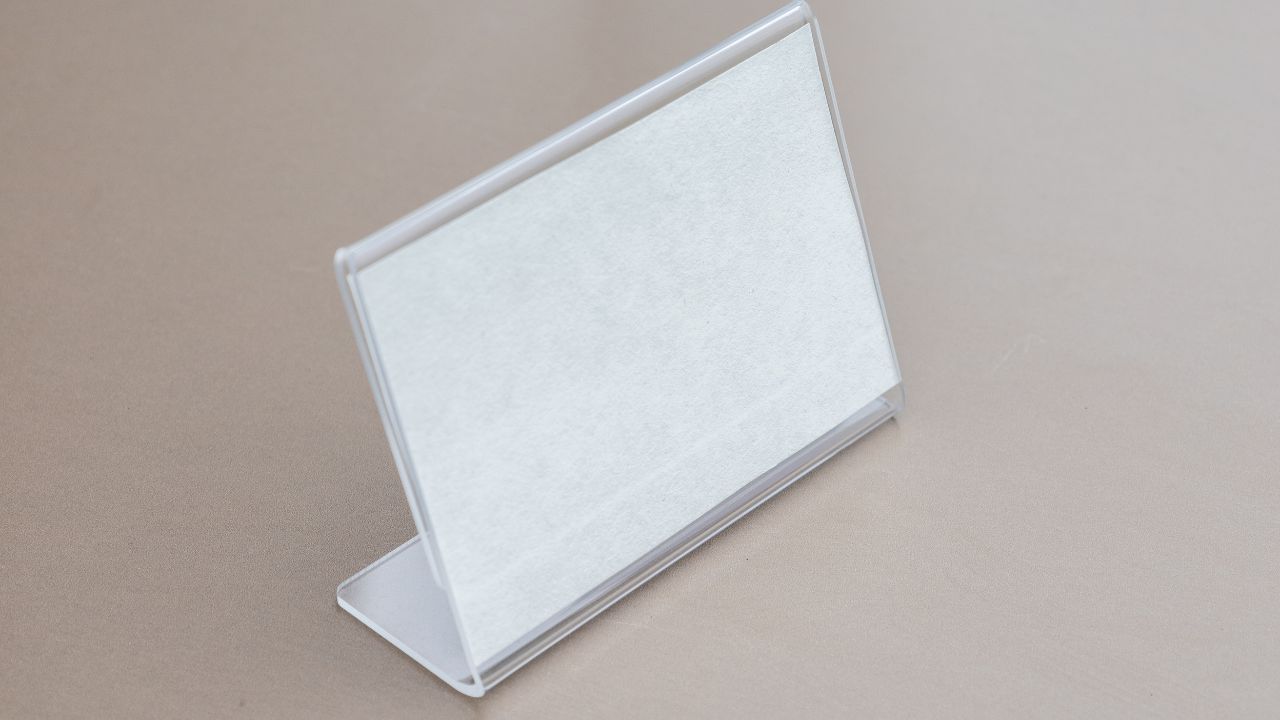
Slanted display solutions improve product visibility and customer engagement through angled configurations designed for retail and event environments. These displays range from countertop units to floor-standing structures, each engineered to optimize viewing angles and encourage purchasing decisions. Understanding material options, design principles, and market applications helps businesses select displays that balance functionality with budget requirements.
The display industry continues to expand as businesses recognize visual merchandising's impact on sales performance. Consumer research demonstrates that strategic display placement directly influences purchasing patterns. This overview examines slanted display configurations, construction methods, pricing considerations, and market-specific applications.
Key Takeaways
- Slanted displays use 15-45 degree angles to improve ergonomics and visibility for tabletop and floor-standing applications
- Material selection impacts durability and cost, with aluminum lasting 10-15+ years and acrylic lasting 5-10 years indoors
- Consumer preferences prioritize personalization (72%), aesthetics (68%), and sustainability (66%) in display design
- Modular systems cost more upfront but deliver better value over 3-5 years compared to single-use displays
- The commercial display market will grow from $53.65 billion in 2024 to $78.48 billion by 2030
What Are Slanted Display Options and Their Purpose?
Slanted displays are angled fixtures that position products or signage at optimal viewing angles for customer engagement. These configurations reduce neck strain and improve readability compared to flat horizontal surfaces. The angled presentation guides customer attention downward along the display surface, creating a visual pathway that encourages product examination and impulse purchases.
These displays maximize space efficiency and improve product accessibility across retail and event environments. Angled signage configurations minimize overhead glare from lighting while maintaining clear visibility from standing positions. The strategic angle creates a visual hierarchy that directs attention to featured products or promotional messaging.
Definition and Typical Angles
Slanted displays use 15-45 degree angles for tabletop and floor-standing applications. The optimal viewing angle for countertop displays is 15 to 30 degrees for comfortable close-range reading. Floor-standing units benefit from 30 to 45-degree angles to accommodate viewing from standing positions several feet away.
Angle selection depends on display height, viewing distance, and content type. Steeper angles work better for text-heavy materials like menus and brochures. Shallower angles suit product showcase applications where customers need to see multiple items simultaneously without obstruction.
Key Benefits of Slanted Displays
Research indicates that 70% of purchasing decisions are made in-store at the point of sale, while 68% of shoppers report making purchases due to compelling signage. Additionally, 62% of buying decisions are impulse purchases when customers are attracted to appealing displays.
Slanted configurations enhance these outcomes by improving ergonomics and reducing visual fatigue during browsing. The angled surface creates a natural focal point, drawing customers toward featured merchandise. Space-saving displays with slanted tiers maximize vertical merchandising capacity without requiring additional floor space.
Common Use Cases
Retail countertop applications include cosmetic demonstrations, jewelry presentations, and point-of-sale promotional materials. Menu boards in restaurants use slanted formats to improve readability for customers approaching the ordering counter. Literature distribution areas rely on multi-tier slanted racks to organize brochures efficiently.
Vendor booths at farmers' markets and craft fairs use slanted display racks to showcase handmade goods. Trade show environments feature slanted literature holders allowing attendees to browse marketing materials without bending forward. Conference registration areas utilize slanted displays for name badges and event schedules positioned at comfortable viewing heights.
How Do Slanted Displays Compare to Other Display Types?
Slanted displays offer ergonomic advantages over flat surfaces but have different capacity characteristics than vertical shelving systems. Vertical shelving provides greater storage volume but creates visibility challenges for lower shelf items. Durable business card displays demonstrate how horizontal orientation differs from vertical card holder arrangements in accessibility.
The choice between display types depends on product dimensions, available space, and customer interaction patterns. Flat displays work well for large-format items but lack the visual hierarchy created by angled configurations. Slanted formats excel when readability and reduced glare are priorities.
Differences from Vertical Shelving and Frames
Slanted displays have limited capacity compared to vertical shelving and require specific lighting to avoid glare. Vertical shelving maximizes storage density but forces customers to bend or crane their necks to view lower items. Frame-based displays have static content, are time-consuming to update, and have limited interactivity compared to modular slanted systems.
The picture and display frame market, valued at $9.61 billion, reflects strong demand for traditional presentation formats. However, frames require complete disassembly to change graphics, creating operational friction. Slanted open-face displays allow rapid content updates without tools or specialized knowledge.
Advantages Over Flat and Sign Holder Displays
Flat horizontal displays force customers to look directly downward, creating uncomfortable viewing angles for extended browsing. Sign holders have a less premium appearance than frames and are susceptible to damage from repeated handling. The sign holders market, valued at $1.2 billion, demonstrates continued demand despite aesthetic limitations.
Slanted configurations combine the updateability of sign holders with improved visual presentation and reduced glare. Brochure holders utilize slanted pockets to display multiple publications in compact vertical arrangements. The angled design prevents materials from sliding forward while maintaining clear visibility of cover graphics.
Target Markets for Slanted Vs. Alternative Displays
High-end retail and corporate environments favor frame-based displays for their premium aesthetic. Fast-casual restaurants and promotional retail prefer updateable sign holders for frequent price and menu changes. Slanted displays serve middle-ground applications where professional appearance and operational flexibility are equally important.
Healthcare facilities use slanted literature displays to organize patient information and educational materials. Educational institutions rely on slanted signage for wayfinding and event promotions in high-traffic corridors. Hospitality venues utilize slanted menu boards and promotional displays to communicate offerings without creating visual clutter.
Which Materials and Construction Methods Are Best for Slanted Displays?
Material selection directly impacts display durability, maintenance requirements, and total cost of ownership. Different environments demand specific material properties, from moisture resistance for outdoor applications to impact resistance for high-traffic retail spaces. Understanding material characteristics helps buyers match display specifications to operational requirements and budget constraints.
Construction methods influence both aesthetic quality and long-term performance. Manufacturing techniques range from basic cutting and assembly to advanced processes like CNC routing and direct UV printing. Construction method choice affects customization options, lead times, and overall appearance.
Material Options and Durability Considerations
Aluminum is lightweight, rust-proof, and highly durable with a lifespan of 10-15+ years when powder-coated. This material excels in outdoor and modular applications requiring weather resistance and repeated assembly. Acrylic offers glass-like clarity and polished edges but is susceptible to scratching and brittle failure, with a lifespan of 5-10 years indoors.
Polycarbonate is more impact-resistant than acrylic but costs more and is prone to surface scratching. MDF is cost-effective and paints well, but is heavy and vulnerable to moisture damage. Plywood offers better strength than MDF and has eco-friendly options through FSC-certified sources.
Manufacturing Techniques for Quality and Aesthetics
CNC routing is used for precise wood and acrylic cutting, enabling complex shapes and tight tolerances. Aluminum extrusion is used for modular frame components that interlock without specialized tools. UV direct printing creates vibrant, durable graphics that resist fading under continuous outdoor exposure or bright retail lighting.
These manufacturing processes enable customization without the prohibitive minimums traditionally required for specialty display production. Advanced techniques allow businesses to order branded displays in smaller quantities while maintaining professional quality. Sign holders and frames manufactured through precision cutting demonstrate how modern methods improve fit and finish.
Weather Resistance and Outdoor Suitability
Corrugated plastic is weather-resistant and lightweight but lacks a premium appearance, with a typical lifespan of 1-2 years outdoors. This material suits temporary promotional displays and seasonal events where budget constraints outweigh aesthetic concerns. Weather unpredictability, including wind, UV exposure, and sudden rain, creates challenges for summer outdoor events requiring durable display solutions.
Powder-coated aluminum with UV-printed graphics provides the best weather resistance for permanent outdoor installations. Marine-grade stainless steel hardware prevents corrosion in coastal environments where salt air accelerates metal degradation. Treated plywood with waterproof sealants offers a more affordable alternative for occasional outdoor use.
How Do Consumer Preferences Influence Slanted Display Design?
Consumer demographics significantly influence display design preferences, with different generations responding to distinct visual and functional characteristics. Age-related factors affect shopping behaviors, brand perceptions, and expectations for in-store experiences. Businesses that align display design with target demographic preferences improve engagement rates and conversion performance.
Regional and cultural factors also shape display effectiveness, requiring businesses to adapt strategies for different geographic markets. Market research demonstrates that display design decisions should reflect both demographic priorities and regional operational conditions.
Demographic Influences on Viewing Angles and Styles
Baby Boomers show 81% preference for physical store shopping and respond well to traditional display formats with clear messaging. Generation X accounts for 31% of retail spending despite comprising only 19% of the population. Generation X shows 73% preference for physical stores and prioritizes durability and quality in product presentations.
Additionally, 46% of Generation X begin product searches online before purchasing in-store, requiring displays that support omnichannel shopping behaviors. Millennials show 63% preference for physical stores and demand displays that integrate digital elements and sustainable materials. Each generation's distinct preferences require businesses to adapt display strategies for locations serving different age demographics.
Regional and Environmental Considerations
The West Coast leads with 82% adoption rate of advanced display features, including digital integration and sustainable materials. The Northeast shows 78% preference for premium, curated aesthetics. The Southeast shows 65% demand for weather-resistant outdoor event displays to withstand humidity and sudden weather changes.
The Midwest shows 60% preference for durable, value-oriented solutions that balance quality with budget constraints. Urban consumers show 75% weekly physical store shopping and prefer compact, space-efficient display configurations. Rural consumers prioritize durability and multi-functional designs that perform reliably in varied environmental conditions.
Preferences for Sustainability and Interactivity
Research indicates that 72% of consumers are influenced by personalization in their shopping experiences. Additionally, 68% of consumers are influenced by aesthetics and visual appeal when evaluating product quality. Sustainability influences 66% of consumers, driving demand for recyclable materials and eco-friendly manufacturing.
Durability influences 62% of consumers, particularly for displays in high-traffic or outdoor environments. Cost influences 58% of consumers, making value-focused solutions essential for small businesses with limited marketing budgets. These preference rankings guide material selection and feature prioritization during display design.
What Are Key Design and Ergonomic Factors for Slanted Displays?
Display effectiveness depends on precise angle optimization matched to viewing height and distance. Ergonomic principles reduce physical strain and improve information retention by positioning content within comfortable sight lines. Poor angle selection creates accessibility barriers that reduce engagement.
Design factors extend beyond angle selection to include lighting management, space efficiency, and product visibility optimization. Successful displays balance aesthetic appeal with functional requirements specific to the intended environment. Attention to these factors during design prevents costly modifications.
Optimal Viewing Angles for Tabletop Vs. Floor-Standing Units
Tabletop displays positioned at desk or counter height require 15-30 degree angles for comfortable viewing at close range. These angles prevent customers from bending forward awkwardly. Floor-standing units require steeper 30-45 degree angles to accommodate viewing distances of three to six feet from standing positions.
Display height and customer traffic patterns determine optimal angle selection. Steeper angles work better in high-traffic areas where customers make quick decisions. Shallower angles suit deliberate browsing environments where customers spend more time evaluating options.
Lighting and Glare Management
Direct overhead lighting creates problematic glare on flat surfaces but can be managed with proper angle selection. Slanted surfaces at 20-30 degrees redirect reflected light away from typical viewing positions, improving readability under bright retail conditions. Matte finishes on acrylic and polycarbonate further reduce glare compared to glossy surfaces.
LED accent lighting positioned below the display surface illuminates content without creating hotspots. Adjustable lighting systems allow businesses to optimize illumination for different times of day. Poor lighting management undermines otherwise well-designed displays.
Space Efficiency and Product Visibility
Multi-tier slanted racks maximize vertical merchandising capacity within limited floor space by stacking angled shelves efficiently. This configuration maintains clear sightlines to products on each tier without upper shelves blocking lower items. Custom acrylic display solutions can be engineered with specific tier spacing optimized for product dimensions.
Depth management prevents products from sliding forward off angled surfaces while keeping items accessible. Lip height at the bottom edge of each tier provides retention without obscuring product visibility. Proper tier spacing accommodates product height variations while maintaining visual balance.
How Are Slanted Displays Used in Different Market Segments?
Market segments have distinct display requirements based on operational environments, product types, and customer interaction patterns. Retail applications prioritize aesthetics and brand consistency, while event displays emphasize portability and weather resistance. Understanding segment-specific needs ensures display investments align with operational priorities.
Different markets also have varying budget constraints and purchasing cycles that influence display selection. Businesses serving multiple market segments often require flexible display systems that adapt to different applications. Modular approaches provide the versatility needed to serve diverse operational requirements efficiently.
Retail and Vendor Booth Applications
Permanent retail installations use high-quality materials like powder-coated aluminum and tempered glass for durability and a premium appearance. These displays integrate with store fixtures to create cohesive brand environments. Farmers' markets and craft fairs require portable solutions with multi-tier slanted racks and budgets typically ranging from $200-$800.
Vendor booth displays must withstand repeated setup and breakdown while maintaining a professional appearance. Quick assembly without tools enables vendors to set up efficiently in crowded market environments. Compact storage dimensions allow vendors to transport displays in standard vehicles.
Event and Outdoor Usage
Festivals require modular tent-based systems with weighted bases to prevent tipping in windy conditions, with budgets ranging from $1,000-$5,000. These systems often incorporate mesh banner panels that allow wind passage while maintaining graphic visibility. Outdoor displays require power sources for LED lighting and digital elements.
Weather-resistant materials and protective coatings extend display lifespan in outdoor environments where UV exposure and moisture cause premature degradation. Festivals and outdoor events present unique challenges, including uneven ground surfaces, limited electricity access, and variable weather conditions.
Integration with Modular Systems
Modular display systems offer reconfigurable components that adapt to different booth sizes, product lines, and seasonal promotions. These systems provide long-term value by eliminating the need to purchase entirely new displays for each event configuration. Modular systems have higher upfront costs starting at $1,500+ but are more cost-effective over 3-5 year periods compared to single-use custom displays.
However, modular systems require higher initial investment than basic stands and need storage space for unused components between events. Component standardization allows businesses to expand displays incrementally as budgets permit. This approach reduces financial barriers for growing businesses.
What Are Pricing and Cost Considerations for Slanted Displays?
Display pricing spans multiple tiers reflecting differences in materials, manufacturing methods, and feature complexity. Budget-conscious buyers can find functional solutions while premium options deliver enhanced durability and aesthetic refinement. Understanding pricing structures helps businesses allocate resources appropriately.
Total cost of ownership extends beyond initial purchase price to include maintenance, replacement cycles, and operational flexibility. Displays that accommodate multiple uses deliver better long-term value despite higher upfront costs. Strategic purchasing decisions balance immediate budget constraints with lifecycle performance.
Budget, Mid-Range, and Premium Options
Acrylic sign holders range from budget options at $15-$50 to mid-range solutions at $50-$150 and premium alternatives at $150-$300. Display stands span budget tier ($50-$150), mid-range ($150-$400), and premium categories ($400-$1,000+). Modular display kits start at budget levels ($500-$1,500), expand to mid-range ($1,500-$6,000), and reach premium specifications ($6,000-$15,000+).
Trade show booths for standard 10x10 spaces range from budget solutions ($2,000-$5,000) through mid-range installations ($5,000-$14,000) to premium exhibits ($14,000-$30,000+). Outdoor LED displays represent significant investments with budget options starting at $3,000-$8,000, mid-range systems at $8,000-$20,000, and premium installations ranging from $20,000-$100,000+.
Total Cost of Ownership and Long-Term Value
Initial purchase price represents only one component of total ownership costs. Maintenance requirements, replacement frequency, and operational flexibility significantly impact long-term value. Modular systems demonstrate this principle through higher upfront costs offset by superior adaptability and extended service life.
Displays requiring frequent updates benefit from designs that accommodate rapid content changes without specialized tools. Durability becomes critical for high-traffic retail environments where displays experience constant customer interaction. Weather-resistant outdoor displays command premium prices but deliver better value than frequent replacement of budget alternatives.
Impact of Material and Customization on Price
Material selection directly influences both initial cost and maintenance requirements. Aluminum commands premium pricing but delivers exceptional durability and weather resistance for long-term installations. Acrylic provides mid-range pricing with good clarity but requires careful handling to prevent scratching.
Customization adds cost but improves brand recognition and creates a differentiated presentation. Digital printing technology has reduced customization costs by eliminating traditional setup fees associated with screen printing. Businesses can now order small quantities of branded displays without prohibitive per-unit costs.
Strategic Insights on Slanted Display Options and Market Applications
The global display industry, valued at $135.2 billion USD in 2024, is projected to reach $173.7 billion by 2029, reflecting sustained growth. The commercial display market, valued at $53.65 billion in 2024, is projected to reach $78.48 billion by 2030, representing a CAGR of approximately 5.8%. This growth trajectory demonstrates increasing business investment in visual merchandising and customer experience optimization.
Strategic display selection requires balancing immediate budget constraints with long-term performance expectations. Businesses that invest in adaptable, durable solutions position themselves for sustained success as customer expectations evolve. Display investments should align with broader marketing strategies and brand positioning.
Material selection, angle optimization, and design customization all contribute to display effectiveness and return on investment. Consumer preferences increasingly favor sustainability, personalization, and seamless integration between physical and digital shopping experiences. Displays that accommodate these evolving preferences maintain relevance longer and deliver better value.
Slanted display configurations offer proven advantages for improving product visibility and customer engagement across diverse retail and event applications. Businesses benefit from understanding material options, pricing structures, and market-specific requirements before making display investments. Proper planning ensures displays meet operational needs while delivering a professional appearance and reliable performance.
For businesses seeking reliable display solutions with domestic manufacturing and responsive service, Displays & Holders provides extensive options backed by decades of industry experience. Their comprehensive product range addresses needs from simple countertop holders to complex custom installations across multiple market segments.
Get Slanted Displays Built to Fit Your Space
Displays and Holders manufactures slanted acrylic sign holders, brochure racks, and custom countertop and floor-standing units right at our Anaheim, California facility. In-stock holders ship the same day when you order before 2 PM PST, and custom runs start at just 50 pieces, so you can match the angle, material, and finish to your products without a large upfront commitment. With 38 years of acrylic fabrication behind every order and more than 100,000 customers served, we know how to get the viewing angle and build quality right the first time. Contact our team to request a quote, and we will help you choose the slanted display that puts your products front and center.