










Wall display planning determines how effectively your retail space communicates with customers and drives purchasing decisions. Physical retail environments remain dynamic spaces where 75% of shoppers report their purchase decisions are not fully predetermined before entering. Strategic layout design transforms wall surfaces into merchandising tools that guide attention, communicate value, and facilitate discovery across every customer touchpoint.
The commercial display market reached $57.78 billion in 2025 and continues growing at 6.9% annually, reflecting increased investment in physical retail experiences. Effective wall display planning integrates technology selection, material choices, visual hierarchy principles, and space optimization techniques that align with brand guidelines and customer journey mapping. This approach balances aesthetic impact with practical considerations, including installation requirements, maintenance protocols, and performance measurement.
Key Takeaways
- Wall display planning requires understanding consumer behavior patterns and demographic preferences to create effective layouts
- Strategic material selection between LED, OLED, modular displays, acrylic, wood, and metal impacts durability and visual appeal
- Visual hierarchy and the strike zone principle position key messages between 3.5 and 4.5 feet from ground level
- Space optimization through vertical displays and modular systems adapts to seasonal changes without major renovations
- Measuring display performance through traffic patterns and conversion data enables continuous refinement
What Is a Wall Display Layout and Why Does It Matter?
A wall display layout defines the strategic arrangement of visual elements, products, and information on vertical surfaces throughout retail environments. This systematic approach determines viewing sequences, attention patterns, and decision-making flows that influence customer behavior and sales outcomes. Wall displays occupy prime visual real estate while preserving valuable floor space for traffic flow.
Effective wall display planning creates focal points that draw attention to high-margin products and seasonal offerings. The arrangement establishes visual hierarchy through size, color, positioning, and lighting that guides customers through intended narratives while supporting spontaneous discovery.
What Are the Core Components of Wall Displays?
Wall displays comprise hardware systems, content delivery mechanisms, and physical materials that work together to present information and products effectively. The commercial display market encompasses professional displays used in retail, corporate, and public spaces with specialized durability and performance requirements. LED displays utilize an LCD panel with an LED backlight, providing energy efficiency and brightness suitable for most commercial applications.
OLED displays feature pixels that produce their own light, eliminating backlighting while delivering superior contrast and viewing angles. LED modular displays consist of individual LED modules assembled into large, seamless video walls for scalable installations. Acrylic is a thermoplastic polymer offering crystal-clear visibility for business card displays and product showcases with lightweight durability.
How Do Wall Displays Influence Customer Behavior?
Walls display influence on customer behavior by capturing attention, communicating value propositions, and reducing decision-making friction. Recent survey data shows 92% of participants sometimes, usually, or always purchase items they did not intend to buy before entering the store. Over 60% stated retail displays influenced their choice when comparing similar products or brands.
More than 75% of consumers discovered a new product or brand after seeing it on a retail display. Strategic wall placement capitalizes on natural sight lines and traffic patterns that maximize exposure during high-intent shopping moments. Visual merchandising applied to wall displays triggers emotional responses and creates memorable brand experiences.
What Are Common Types of Wall Display Technologies?
Common wall display technologies divide into digital and static categories with distinct advantages for different retail applications. Digital displays include LED-backlit LCD panels offering bright, energy-efficient performance at accessible price points. OLED technology delivers infinite contrast ratios and true blacks through self-emissive pixels, but carries higher costs and potential burn-in risks for static content.
LED modular displays provide extreme scalability and brightness levels suitable for outdoor applications or large-format video walls. Static displays utilize materials including acrylic, wood, and metal that support brochure holders and product showcases without power requirements. Hybrid approaches combine digital screens with physical product displays to deliver both information and tactile engagement within unified wall systems.
How Do Consumer Preferences Shape Wall Display Planning?
Consumer preferences shape wall display planning by dictating which visual elements, messaging approaches, and interaction models resonate with target demographics. Understanding generational differences, geographic variations, and category-specific expectations ensures display investments align with actual customer behavior patterns. Strategic planning incorporates preference data into layout decisions that optimize engagement rates and conversion metrics.
Different consumer groups prioritize distinct attributes, including aesthetics, information density, price visibility, and experiential elements requiring tailored approaches.
How Do Different Generations Interact with Wall Displays?
Different generations interact with wall displays based on distinct priorities shaped by technological familiarity and shopping habits. Baby Boomers control 70% of U.S. disposable income and outspend other generations by $400 billion annually through purchases emphasizing quality and personalized assistance. This demographic aged 65 and above prefers well-lit, accessible displays with clear pricing and detailed product information.
Generation X aged 48-64 shows the highest brand loyalty at 70% while balancing deal-seeking behavior with quality considerations. Millennials aged 28-47 respond strongly to visual appeal and social proof elements integrated into display design. Generation Z, aged 18-27, places the highest premium on aesthetics, sustainability messaging, and interactive features that enable self-directed discovery.
What Are Urban Vs. Rural Consumer Expectations?
Urban consumers seek variety, health-conscious options, and sustainability messaging with frequent shopping trips and modern format preferences. These shoppers respond to digital signage, interactive displays, and visual merchandising that communicates innovation. Urban wall display planning emphasizes density, information layering, and frequent content updates.
Rural consumers prioritize price, value, and convenience through less frequent shopping trips to traditional retail formats. These customers value clear, straightforward static displays and personal relationships with retailers. Wall display planning for rural markets focuses on durability, simple messaging, and practical product information rather than trendy aesthetics or digital interactivity.
Which Product Categories Benefit Most from Wall Displays?
Product categories benefit most from wall displays when they require visual differentiation, education, or impulse purchase triggers to drive sales. Beauty and cosmetics categories show particularly strong response to wall-mounted displays using curves and vibrant colors that encourage exploration. Electronics and technology products benefit from wall displays that demonstrate features through integrated screens and interactive demonstrations.
Fashion and accessories leverage wall displays for outfit coordination and seasonal storytelling. Health and wellness categories use wall space to communicate ingredient transparency and lifestyle alignment. High-margin specialty products across all categories gain disproportionate benefit from prime wall placement in the strike zone, where visual attention naturally concentrates.
What Materials and Technologies Are Best for Wall Displays?
Material and technology selection for wall displays depends on budget constraints, content update frequency, environmental conditions, and desired lifespan. Digital displays suit applications requiring dynamic content, data integration, or frequent messaging changes. Static materials, including acrylic, wood, and metal, serve applications where durability, low maintenance, and timeless aesthetics outweigh content flexibility needs.
Optimal choices balance upfront costs against the total cost of ownership, including energy consumption, maintenance requirements, and replacement cycles.
What Are the Advantages and Disadvantages of LED, OLED, and Modular Displays?
LED displays offer energy-efficient operation, bright output, and affordable pricing that make them accessible for most commercial applications. However, LED technology cannot achieve true blacks and provides limited viewing angles compared to premium alternatives. OLED displays deliver infinite contrast, true blacks, ultra-thin profiles, flexible form factors, and wide viewing angles that create stunning visual impact.
OLED disadvantages include high costs, potential for burn-in with static content, and lower peak brightness than LED alternatives. LED modular displays provide highly scalable configurations, extreme brightness suitable for outdoor installations, and reusable components that adapt to changing needs. Modular systems require professional installation, consume high power, and carry premium pricing that limits accessibility for smaller retailers.
How Do Acrylic, Wood, and Metal Materials Compare for Static Displays?
Acrylic materials provide strength exceeding glass, lightweight construction, 360-degree visibility, and easy molding into custom shapes for sign holders and ad frames. Acrylic's disadvantages include susceptibility to scratching and low heat resistance that limits placement near lighting or heating elements. Wood displays offer an elegant appearance, extensive customization options, and an eco-friendly appeal that communicates a premium positioning.
Wood's drawbacks include susceptibility to water damage, potential warping, and higher costs compared to synthetic alternatives. Metal displays provide extremely strong construction, the capacity to hold heavy items, and long lifespans. Metal's limitations include heavy weight, plain appearance without finishing treatments, and expensive repair costs when damage occurs.
What Pricing Tiers Should Retailers Expect?
Retailers should expect pricing tiers ranging from hundreds to tens of thousands of dollars, depending on display type, size, and technology sophistication. The commercial display market, valued at $57.78 billion in 2025, is projected to reach $78.48 billion by 2030. Digital signage is expected to reach $30.00 billion by 2030 as retailers increase dynamic content adoption.
The retail POP display market, valued at $14.8 billion in 2025, reflects continued investment in traditional merchandising fixtures. Entry-level acrylic displays start under $50, while enterprise video wall installations can exceed $100,000 depending on scale and integration complexity.
How Can You Optimize Visual Merchandising for Wall Displays?
Visual merchandising optimization for wall displays applies psychological principles and design techniques that maximize stopping power and conversion rates. Color selection, shape psychology, strategic positioning, and sensory engagement combine to create compelling displays that interrupt shopping routines. Optimization requires understanding how visual hierarchy directs attention through size, contrast, positioning, and movement.
Successful visual merchandising balances aesthetic appeal with practical considerations, including sightlines, lighting conditions, and surrounding context. Testing and refinement based on customer response data ensures continuous improvement.
What Color and Shape Choices Maximize Stopping Power?
Color and shape choices maximize stopping power by triggering instinctive attention responses that interrupt routine shopping behavior. Bold, bright colors with vivid hues create visual contrast against neutral retail environments. Warm colors, including reds and oranges, trigger impulse buying while cool blues and greens communicate health and wellness positioning.
Curves generate more sales lift than angular shapes, particularly in categories like beauty and cosmetics, where organic forms align with product attributes. Shape psychology influences subconscious perception, where circles suggest completeness while triangles communicate direction and urgency. Strategic color and shape combinations create distinctive visual signatures that build brand recognition while maximizing immediate attention capture.
How Do You Leverage the "Strike Zone" Effectively?
The strike zone represents the optimal viewing area where typical shoppers' eyes naturally focus while pushing carts between 3.5 and 4.5 feet from the ground. Placing key messages, high-margin products, and calls-to-action within this strike zone ensures maximum visibility during casual browsing. Effective strike zone leverage requires identifying the specific products and messages that drive the highest value when exposed to increased attention.
Using 5 to 7 keywords maximum in strike zone messaging respects limited attention spans. Price information should be clearly visible within the strike zone to reduce purchase friction and facilitate quick comparisons. Strategic strike zone planning concentrates persuasive elements where they receive the most exposure while allowing secondary information to occupy peripheral positions.
Why Is Multisensory Engagement Important?
Multisensory engagement is important because it creates stronger emotional connections and memory formation than visual-only experiences. Engaging multiple senses beyond visuals through touch, sound, or scent activates additional neural pathways that deepen product relationships. Tactile engagement through product sampling or interactive displays increases purchase confidence by providing a firsthand experience before commitment.
Experiential displays that allow customers to touch, feel, or smell products significantly increase engagement rates compared to look-only presentations. Multisensory approaches reduce perceived risk in purchase decisions by providing tangible evidence that validates marketing claims.
How Do You Maximize Space and Flexibility in Wall Display Design?
Space and flexibility maximization in wall display design creates adaptable retail environments that respond to seasonal changes, product rotations, and evolving strategies. Vertical space utilization through wall-mounted systems preserves valuable floor area for customer traffic while expanding merchandising capacity. Flexibility planning incorporates modular components and standardized mounting systems that enable quick reconfiguration without major renovations.
Strategic space optimization balances maximum product exposure with negative space that prevents overwhelming customers and highlights premium offerings.
What Are the Best Practices for Using Vertical and Negative Space?
Best practices for using vertical space include maximizing wall displays that extend upward to capitalize on underutilized areas above typical eye level. Vertical arrangements create visual interest through layered compositions that guide eyes through intended sequences. Tall vertical displays establish a dramatic presence while accommodating more products within limited floor footprints.
Negative space creates visual breathing room that prevents cluttered appearances and directs attention to featured products through isolation and contrast. Every fixture should serve a specific purpose rather than filling space for its own sake. Strategic negative space usage highlights premium products by surrounding them with emptiness that communicates exclusivity and sophistication.
How Can Modular Systems Adapt to Seasonal Changes?
Modular systems adapt to seasonal changes through standardized components that swap quickly without requiring professional installation or permanent modifications. Implementing modular systems for easy reconfiguration enables rapid response to holiday campaigns, promotional events, and new product launches. Modular approaches reduce downtime and labor costs associated with display updates compared to fixed installations.
Interchangeable panels, adjustable shelving, and flexible mounting brackets accommodate products with varying dimensions and presentation requirements. Modular flexibility extends display lifespan by evolving with business needs rather than becoming obsolete when strategies change.
What Are the Pitfalls to Avoid in Wall Cluttering?
Wall cluttering pitfalls include overwhelming customers with excessive information density that creates decision paralysis and reduces shopping enjoyment. Overcrowded displays compete for attention internally rather than directing focus to priority products and messages. Cluttered walls communicate disorganization and low quality that undermines premium brand positioning.
Visual noise from too many competing elements reduces the effectiveness of individual display components and dilutes marketing messages. Strategic editing that removes non-essential elements improves clarity and strengthens the impact of remaining content.
How Should Brochure Distribution Complement Wall Displays?
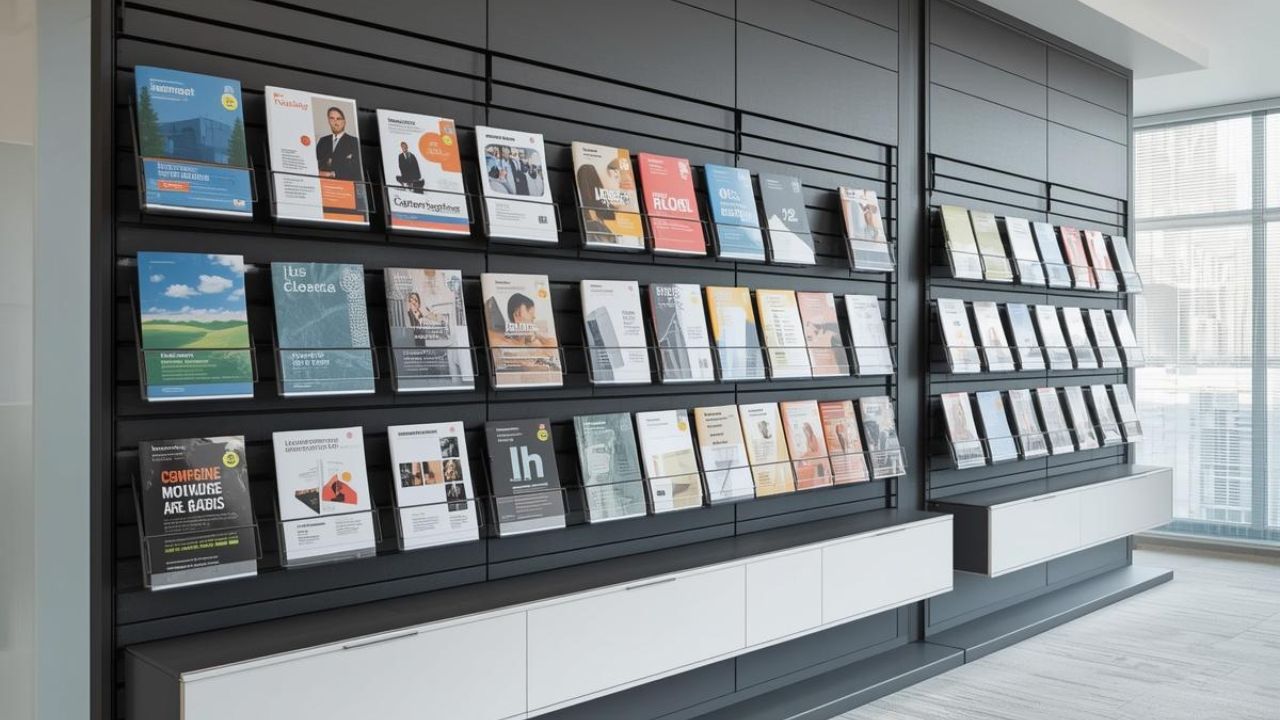
Brochure distribution complements wall displays by providing detailed information that extends beyond what visual merchandising alone can communicate. Physical literature offers tangible takeaways that customers review at their own pace outside the pressure of in-store decision-making. Strategic brochure placement near relevant wall displays creates information continuity that supports complex purchases requiring research and comparison.
Brochure integration adds depth to wall display messaging by elaborating on features, specifications, and benefits. Coordinated visual design between wall displays and supporting brochures reinforces brand consistency.
Where Should Brochure Stands Be Strategically Placed?
Brochure stands should be strategically placed in high-density areas where customers naturally pause and have the attention capacity for information consumption. Positioning a brochure near checkout counters captures last-minute interest and provides reading material during waiting periods. Waiting areas, service desks, and seating zones offer ideal dwell time when customers are receptive to engaging with literature.
Placement adjacent to complex products creates immediate access to explanatory materials that reduce confusion and support confident purchasing.
How Do Personal Interactions Enhance Brochure Effectiveness?
Personal interactions enhance brochure effectiveness by creating human connections that build trust and demonstrate genuine interest in customer success. Staff members who hand-deliver relevant brochures during conversations provide context that increases perceived value and usage likelihood. Personal distribution enables targeted matching between customer needs and specific literature content.
Ensuring the top third of brochures with headlines remains clearly visible in displays enables quick relevance assessment and self-selection. Human interaction transforms impersonal printed materials into personalized recommendations that carry greater weight in decision-making processes.
What Are the Benefits of Multi-Tier Brochure Stands?
Multi-tier brochure stands provide benefits, including a variety of accommodations without excessive counter or floor space consumption. Using a multi-tier approach to a variety of literature enables comprehensive information offerings that address different customer segments and product lines. Vertical arrangement maximizes visibility for multiple brochure types while maintaining an organized appearance.
Tiered displays allow headline visibility across all levels when properly designed with adequate clearance between rows. Space efficiency from tiered designs enables richer information offerings in locations where single-tier stands would require excessive footprint.
What Are the Practical Steps to Implementing a Successful Wall Display Layout?
Implementing a successful wall display layout requires systematic planning that addresses strategic alignment, technical requirements, and performance measurement from project inception. Initial steps include defining objectives, understanding target audiences, and establishing success metrics that guide design decisions. Practical implementation balances creative vision with budget realities, timeline constraints, and operational capabilities.
Successful execution coordinates multiple stakeholders, including merchandising teams, facilities management, and potentially custom display specialists who ensure technical feasibility. Phased rollouts allow testing and refinement before full-scale deployment.
How Do You Align Layout with Brand Guidelines and Customer Journey?
Layout alignment with brand guidelines ensures visual consistency that reinforces identity across all customer touchpoints, including wall displays. Color palettes, typography, imagery styles, and messaging tone should reflect established brand standards that create recognition and trust. Customer journey mapping identifies key decision moments where wall displays can provide the most value.
Alignment planning considers how customers move through physical spaces and what information needs arise at different journey stages. Entry displays might focus on welcoming and orientation, while deeper-store placements address specific category exploration.
What Installation and Maintenance Should You Consider?
Installation considerations include wall load-bearing capacity, electrical requirements for digital displays, and access needs for future maintenance and updates. Professional installation ensures proper mounting that protects both displays and building structures from damage. Weight distribution planning prevents structural stress while maintaining the desired aesthetic presentation.
Maintenance planning addresses cleaning schedules, content update processes, and replacement part availability that ensures continuous operation. Digital displays require software updates, screen cleaning, and power system monitoring. Static displays need periodic inspection for wear, damage, or obsolescence that affects customer perception.
How Can You Measure and Refine Display Impact?
Measuring display impact requires establishing baseline metrics before implementation, including traffic patterns, dwell time, and conversion rates for comparison. Post-implementation tracking monitors changes in customer behavior, including attention capture, engagement duration, and purchase outcomes attributable to displays. Heat mapping technology and customer tracking systems provide quantitative data about how people interact with wall display layouts.
Sales data correlation identifies which displays drive the highest conversion rates and average transaction values. Customer feedback through surveys and interviews provides qualitative insights about display effectiveness and improvement opportunities. Continuous refinement based on performance data ensures wall display investments deliver sustained returns through optimization.
Planning Your Wall Display Layout for Maximum Impact: Synthesizing Strategy, Consumer Insight, and Design
Effective wall display planning integrates strategic objectives, consumer behavior insights, and design principles into cohesive layouts that drive measurable business results. Layout design, space optimization, and visual hierarchy combine to create environments where products and messages receive appropriate attention at crucial decision moments. The synthesis of technology selection, material choices, and merchandising techniques creates display systems that adapt to changing needs while maintaining consistent brand presentation.
Successful implementation requires balancing creative ambition with practical constraints, including budget limitations, installation requirements, and maintenance capabilities. Data-driven decision-making ensures display investments align with actual customer preferences across different demographics and geographic markets. Continuous measurement and refinement based on performance metrics enables ongoing optimization that maximizes return on investment.
Bring Your Wall Display Plan to Life with Displays & Holders
You have the layout strategy. Now you need displays built to hold up under daily retail traffic and keep your products looking sharp. Displays & Holders manufactures crystal-clear acrylic sign holders and ad frames, brochure holders, and business card displays right here in Anaheim, California, with same-day shipping on in-stock items so your wall is ready when your campaign is. Need a size or configuration that fits your exact space? Our custom team produces made-to-order acrylic displays with a 50-unit minimum, backed by 38 years of manufacturing and more than 100,000 customers served. Browse our acrylic displays or contact our team to map the right pieces to your wall layout.