










Plastic displays represent essential fixtures across retail and commercial environments worldwide. These versatile units require consistent care to maintain visual clarity and structural integrity over time. Understanding proper plastic display care methods prevents premature deterioration and preserves professional appearance. Strategic maintenance practices protect your investment while ensuring displays continue serving their purpose effectively.
Key Takeaways
- Plastic and acrylic displays dominate retail markets with 35% material share due to cost-effectiveness and versatility
- Specialized cleaners prevent yellowing, while microfiber cloths eliminate scratching risks during routine maintenance
- Durability ranks as the top consumer priority at 28%, followed by cost considerations at 24%
- Proper handling techniques and storage methods reduce damage risks and extend display lifespan significantly
- Emerging sustainable materials and advanced coatings are reshaping maintenance requirements for modern display systems
What Are Plastic Displays and Their Common Uses?
Plastic displays are structured units designed to present products, information, or marketing materials in retail spaces. These fixtures utilize various polymer-based materials to create functional presentation systems for merchandise.
Types of Plastic Materials in Displays
Acrylic dominates the plastic display market due to its glass-like clarity and moldability. Polycarbonate offers enhanced impact resistance for high-traffic environments requiring additional durability. Polystyrene provides economical solutions for temporary displays and short-term promotional campaigns. PVC materials deliver weather resistance for outdoor applications where environmental exposure occurs regularly.
Advantages and Limitations of Plastic Displays
Plastic displays offer shatter resistance and lightweight construction compared to glass alternatives. Cost-effectiveness makes these units accessible for businesses operating with constrained budgets. However, acrylic surfaces are prone to scratching during handling and routine cleaning activities. Prolonged UV exposure can cause yellowing that diminishes visual appeal over time. Metal alternatives may develop rust if protective coatings fail in humid conditions. Wood displays require careful moisture management to prevent warping and structural compromise.
Typical Applications in Retail and Commercial Settings
The global display market reached USD 135.2 billion in 2024, with projections indicating USD 173.7 billion by 2029. Commercial display segments are expanding from USD 53.65 billion in 2024 toward USD 78.48 billion by 2030. Point-of-purchase (POP) display markets valued at USD 14.6 billion in 2024 will grow to USD 20.5 billion by 2030. POP displays placed near checkout zones encourage impulse purchases and reinforce promotional messaging. Retail environments deploy business card displays alongside countertop units for merchandise presentation and customer engagement. Trade show exhibitors utilize modular systems for product demonstrations and brand messaging campaigns. At an art show, clear acrylic easels and stands present each acrylic painting cleanly, protecting the work while keeping it visible to buyers.
Why Is Proper Maintenance Important for Plastic Displays?
Maintenance directly influences the operational lifespan and visual quality of plastic display investments. Neglected units deteriorate rapidly, requiring premature replacement that strains operational budgets unnecessarily.
Common Issues Affecting Plastic Displays
Ammonia-based cleaners cause irreversible yellowing and surface hazing on acrylic materials. Alcohol-containing products degrade protective coatings and accelerate material breakdown through chemical reactions. Paper towels introduce micro-scratches that accumulate and cloud transparent surfaces over time. Improper handling creates stress fractures at mounting points and connection areas within display structures.
Impact of Maintenance on Durability and Appearance
Regular maintenance tips implementation extends functional lifespan by preventing cumulative damage patterns. Clean, clear displays maintain professional aesthetics that support brand perception and customer trust. Scratched or clouded surfaces diminish product visibility and reduce merchandising effectiveness in competitive environments. Consistent care protocols preserve material integrity and delay costly replacement cycles across display inventories.
Consumer Priorities in Display Longevity
Durability represents the primary consideration for 28% of display purchasers evaluating material options. Cost factors influence 24% of purchasing decisions when selecting display systems for implementation. Aesthetic appeal drives 20% of material selection choices in retail and commercial applications. Sustainability concerns affect 15% of procurement decisions as environmental awareness increases industry-wide. Maintenance requirements factor into 10% of purchase evaluations despite significant long-term cost implications.
How Do Plastic Displays Compare to Other Materials?
Material selection determines performance characteristics, maintenance requirements, and total ownership costs throughout display lifecycles. Each material category offers distinct advantages suited to specific operational needs and environmental conditions.
Differences Between Plastic, Acrylic, Metal, and Wood Displays
Plastic and acrylic materials capture 35% market share through affordability and design flexibility. Metal displays hold 25% of the market with superior load capacity for heavy merchandise. Wood and composite materials represent 20% of installations appealing to premium brand positioning. Glass accounts for 15% of display applications requiring ultimate transparency and luxury presentation.
Cost and Aesthetic Considerations
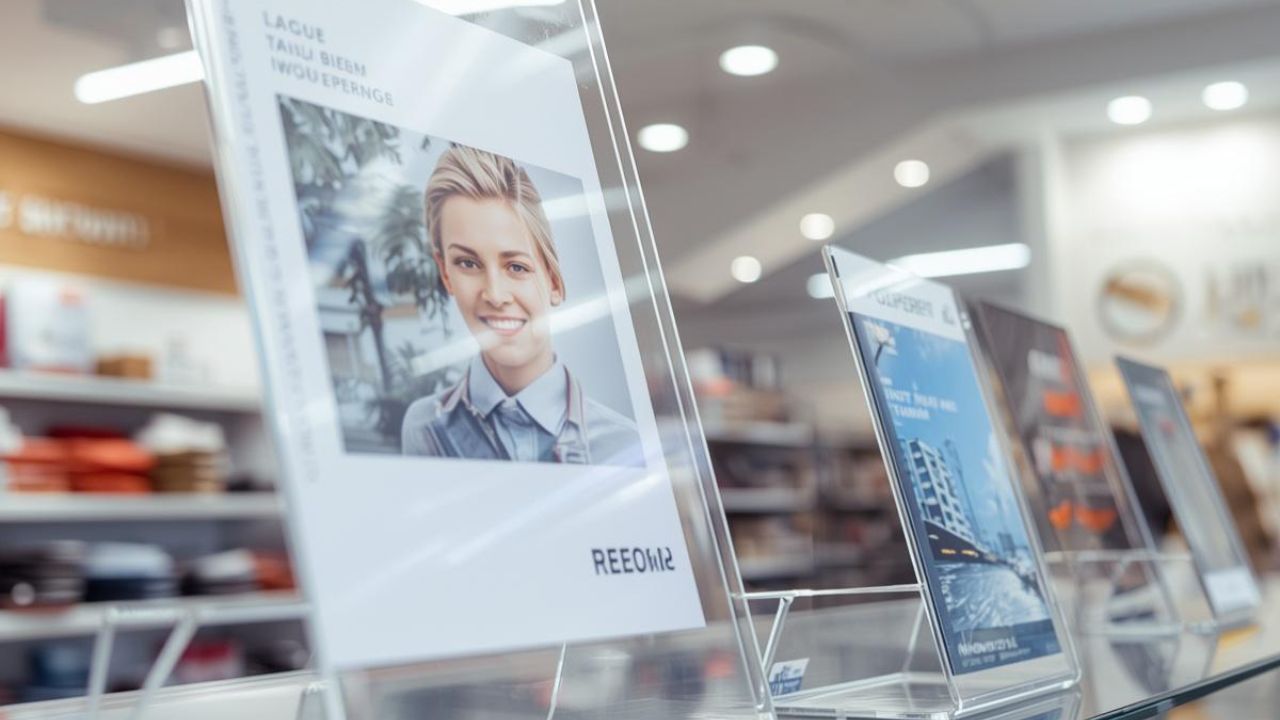
Budget-tier displays predominantly utilize plastic construction to minimize initial investment requirements for retailers. Mid-range segments incorporate acrylic and basic metal components, balancing quality with reasonable pricing. Premium installations feature specialized metals and high-grade wood commanding elevated prices for luxury applications. Acrylic brochure holders demonstrate how material choices affect both functionality and visual impact across price points.
Suitability for Different Demographics and Environments
Younger demographics aged 18-34 gravitate toward modern materials like acrylic and metal fixtures. Older consumer groups aged 45 and above prefer traditional wood displays aligning with classic design sensibilities. Urban retailers favor lightweight plastics and sleek metals for space-efficient modular display systems. Rural markets prioritize materials with extended durability to withstand challenging environmental conditions and reduced maintenance access.
What Are Key Maintenance Practices for Plastic Displays?
Systematic care protocols preserve display quality while preventing common damage patterns that compromise appearance. Proper techniques protect surfaces from degradation and maintain professional presentation standards throughout operational lifecycles.
Selecting Appropriate Cleaning Products and Tools
NOVUS and Brillianize cleaners are specifically formulated for acrylic surfaces without causing chemical reactions. Specialized acrylic cleaning protocols eliminate contaminants while preserving surface clarity and protective coatings. Ammonia or alcohol-based products must be avoided to prevent yellowing and material breakdown. Nonabrasive microfiber cloths prevent micro-scratching during cleaning operations across transparent and colored surfaces.
Methods for Scratch Removal and Prevention
Paper towels must never contact acrylic surfaces due to the fiber's abrasiveness, which creates clouding. Multi-step scratch removal systems effectively address minor surface damage using progressive polishing compounds. Deep scratches may require professional buffing equipment to restore optical clarity without material removal. Prevention remains more effective than correction through careful handling during all cleaning operations.
Best Handling and Storage Techniques
Wearing gloves during handling prevents fingerprint oils from adhering to acrylic display surfaces. Supporting the bottom edges when moving units distributes weight properly and prevents stress fractures. Store displays are wrapped in polyethylene foam rather than materials causing surface contact damage. Direct bubble wrap contact should be avoided as adhesive residue transfers to acrylic surfaces. Sign holders and frames require similar protective storage methods to maintain clarity between deployment cycles.
How Can Emerging Technologies Influence Plastic Display Care?
Technological advancement introduces new materials and treatment methods that alter traditional maintenance requirements. Innovation reshapes both manufacturing processes and ongoing care protocols for modern display systems.
Effects of Sustainable Materials on Maintenance
PLA bio-composites derived from renewable resources are entering commercial display production with modified care needs. These materials require gentler cleaning protocols compared to traditional petroleum-based plastics and acrylics. Biodegradable alternatives demonstrate different aging characteristics that affect long-term appearance and structural performance. Polyethylene foam packaging protects sustainable materials during transportation while supporting environmental objectives throughout supply chains.
Role of Advanced Coatings and Treatments
Protective coating technologies reduce scratch susceptibility and simplify routine cleaning protocols for plastic displays. Anti-static treatments minimize dust accumulation that previously required frequent cleaning interventions and surface contact. UV-resistant coatings delay yellowing processes that historically limited outdoor display longevity in sunlit environments. These innovations reduce maintenance frequency while extending functional lifespan across diverse installation conditions.
Integration with New Display Technologies
Micro-LED systems offer superior brightness and efficiency compared to OLED alternatives in transparent displays. Integration of electronic components into plastic housings creates additional cleaning protocols around sensitive circuitry. Advanced display technologies require specialized maintenance training to prevent damage during routine care procedures. Custom displays increasingly incorporate these technologies, demanding updated maintenance approaches for hybrid systems combining traditional and digital elements.
When Should You Opt for Professional Maintenance Services?
Professional intervention becomes necessary when damage exceeds routine care capabilities or specialized equipment requirements. Certain restoration procedures demand technical expertise and tools unavailable in standard maintenance operations.
Deep scratches penetrating protective coatings require professional buffing equipment to restore optical clarity effectively. Large-scale commercial installations benefit from contracted maintenance programs, ensuring consistent care across multiple locations. Specialized cleaning protocols for integrated electronic displays justify professional services, preventing costly component damage. Complex assemblies with difficult-to-access surfaces benefit from professional disassembly and thorough cleaning procedures.
Annual professional inspections identify developing issues before they escalate into replacement-level damage scenarios. Warranty maintenance requirements may mandate professional service to preserve coverage throughout display lifecycles. High-value installations justify professional care investments, protecting substantial capital expenditures from premature deterioration. Businesses lacking internal maintenance capacity find professional services more cost-effective than dedicated staff training.
Balancing Care and Cost: Maintenance Strategies for Plastic Displays
Effective maintenance strategies balance resource investment against longevity benefits for optimal total ownership costs. Strategic planning aligns care protocols with operational requirements and available resources across organizations.
Preventive maintenance reduces long-term costs by addressing minor issues before they require expensive interventions. Scheduled cleaning protocols maintain professional appearance while preventing accelerated deterioration from neglect patterns. Staff training programs ensure proper handling techniques that minimize damage during routine operations. Documentation systems track maintenance activities and identify recurring issues requiring systematic solutions or design modifications.
Inventory standardization simplifies maintenance by reducing the variety of cleaning protocols and replacement parts. Bulk purchasing of approved cleaning supplies reduces per-unit costs while ensuring material compatibility. Maintenance scheduling during low-traffic periods minimizes disruption while ensuring displays remain customer-ready. Cost tracking systems quantify maintenance investments and inform replacement timing decisions for aging inventory.
Best Practices for Maintaining Plastic Displays to Ensure Longevity and Optimal Performance
Comprehensive cleaning protocols form the foundation of effective plastic display care throughout operational lifecycles. Regular inspections identify emerging issues before they compromise display functionality or appearance in customer-facing environments. Proper storage between uses protects displays from environmental damage and extends usable lifespan significantly. Training programs ensure all personnel understand handling requirements and cleaning protocols that preserve display quality.
Environmental controls minimize exposure to UV radiation and temperature extremes that accelerate material degradation. Rotation schedules distribute wear patterns evenly across display inventories, extending collective operational lifespan. Documentation systems track maintenance history and inform replacement decisions based on actual performance data. Quality cleaning protocols and protective storage methods deliver substantial returns through extended display longevity.
Businesses committed to professional presentation standards recognize that systematic care protects display investments over time. Displays & Holders supports retailers and commercial operations with quality display solutions designed for demanding environments. Proper maintenance transforms initial investments into long-term assets that consistently deliver merchandising value.
Build a Display Setup Worth Maintaining with Displays & Holders
Careful maintenance protects your displays, and quality displays make that care worthwhile. Displays & Holders manufactures durable acrylic and plastic displays in Anaheim, California, with same-day shipping on in-stock items and custom orders starting at just 50 units. Whether you need sign holders, brochure holders, POP displays, or acrylic stands for your next art show, our team helps you choose pieces that stay clear and presentable through years of use. Reach out today and put more than 38 years of American manufacturing behind your next display.