










Key Takeaways
- Hybrid display solutions mix digital with acrylic strength.
- Digitally integrated acrylic holders cut costs and add interactivity.
- Interactive retail displays guide shoppers and raise sales.
- Acrylic sign holders with digital screens give impact without high spend.
- Digital retail display systems built on acrylic frames provide ROI and green value.
Retailers have always used displays to grab attention. In the past, it was simple—printed posters, acrylic signs, and countertop holders. Today, shoppers expect more. They live in a digital world but still like real touchpoints. This is where hybrid display solutions help.
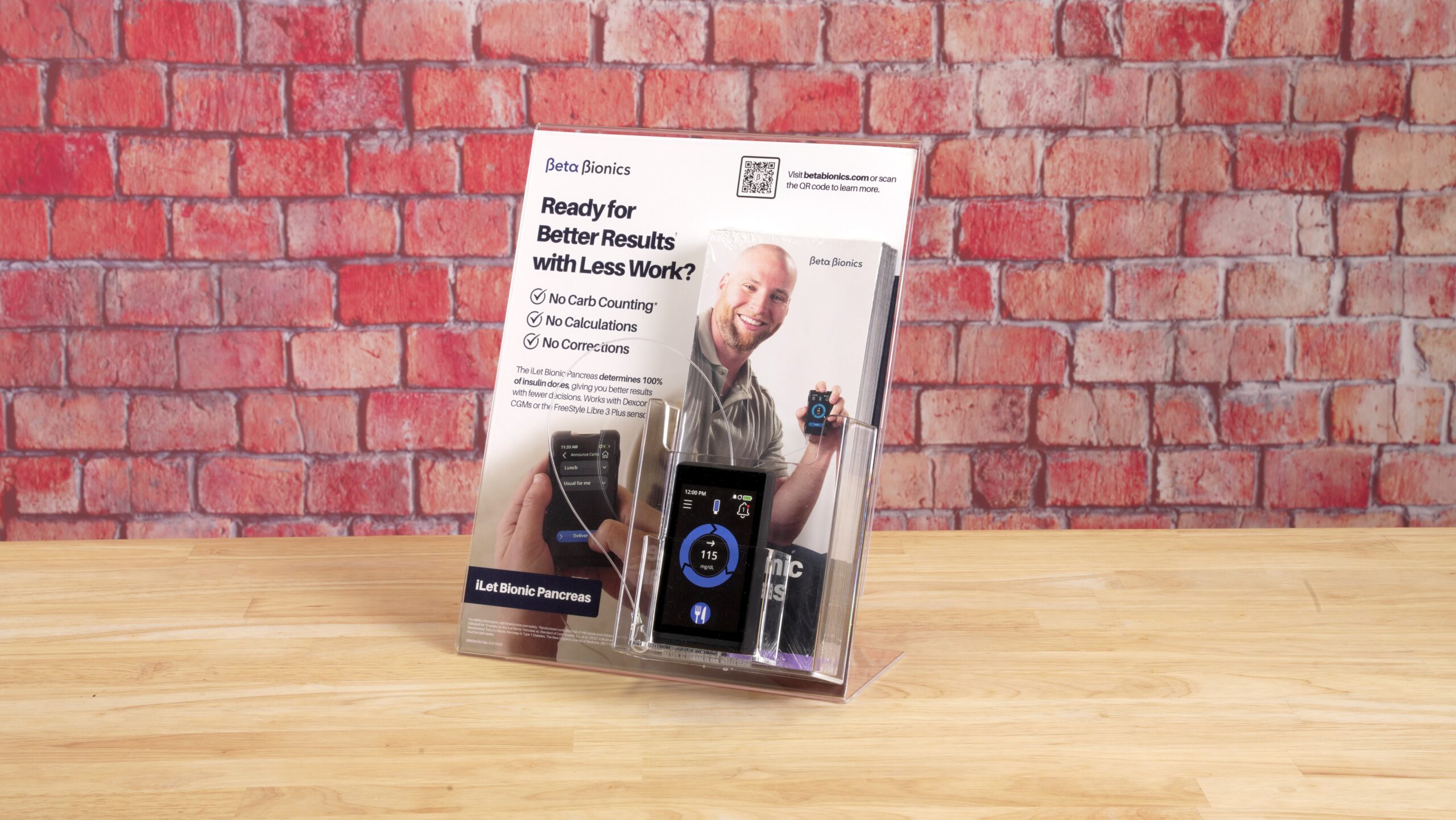
By blending acrylic with digital, brands mix tradition and tech. A shopper might see a flyer in a clear stand while scanning a QR code that links to videos. Or they may see acrylic sign holders with digital screens showing product demos. These setups give shoppers both print and digital in one spot.
How Can Traditional Acrylic Displays Integrate with Digital Elements?
The question is simple: how do you add digital to acrylic frames? The answer is easy.
Many digitally integrated acrylic holders have space for paper plus a digital add-on. A countertop sign might hold paper promotions but also include a small LED screen or QR code panel. Wall-mounted frames can pair posters with edge-lit LED light frames to make them shine.
Some stores even use digital retail display systems that link with apps or online catalogs. Shoppers see the acrylic frame but scan or tap to view more online. Acrylic stays strong and clear, while digital expands the reach.
The Role of Acrylic in Hybrid Displays
Acrylic is still the base of these solutions. It is clear, pro, and built to last. Unlike cardboard or metal, acrylic gives a clean, polished look in all stores.
Displays & Holders has been making acrylic display products for over 35 years. From literature displays and poster frames to tabletop displays and custom acrylic panels, these products serve retail stores, trade shows, and commercial sites. Adding digital parts to proven acrylic frames makes them even more useful.
For example, interactive retail displays can use acrylic as the frame, while digital screens or LED sign holders grab attention. This keeps costs low compared to all-digital displays while still drawing eyes.
Cost and ROI of Hybrid Solutions
Full digital setups are costly. They need screens, software, power, and updates. Over time, the spending adds up. Acrylic frames are low-cost, easy to update with new inserts, and last for years.
Hybrid display solutions strike the right balance. Stores can use acrylic sign holders with digital screens in key spots while keeping most displays simple. A single digital retail display system in a flagship store can run big campaigns, while acrylic holders handle daily promos.
This balance keeps ROI strong. Acrylic gives long life, while digital adds fresh engagement when needed.
Engagement and Customer Behavior
Studies show shoppers still notice print displays first. A bold poster or countertop sign near checkout grabs eyes. When paired with QR codes or screens, customers move from paper to mobile in seconds.
For example, a hybrid display solution in a cosmetics store might show seasonal items in a clear acrylic case. At the same time, a screen shows tutorials. This keeps shoppers engaged and lifts sales without the cost of a video wall.
The mix also works in transit hubs and ads. Window shoppers see posters in acrylic window sign holders and scan for details. They get instant info and deeper digital access at the same time.
Sustainability and Longevity
Another factor is life span. Acrylic displays can last 10 years or more. Many are recyclable, helping brands meet green goals.
Digital-only displays often fail after a few years and add to waste. Digital integrated acrylic holders lower that impact. They offer tech features without high e-waste.
Hybrid displays also cut paper waste. One QR code or screen can replace many print runs while still using the acrylic frame.
Real Examples of Hybrid Displays
Healthcare offices use interactive retail displays in waiting rooms. Flyers sit in acrylic holders, while patients scan codes for mobile check-in.
At trade shows, booths mix acrylic sign holders with digital screens to show rotating schedules and capture leads. Acrylic holds printed branding, while digital updates in real time.
In stores, digital retail display systems pair acrylic endcaps with LED holders to push promos. This builds brand awareness and supports fast-changing products without heavy costs.
Why Acrylic-Based Hybrids Outperform
Digital looks new, but the best ROI comes from acrylic-based systems. Acrylic gives:
- Pro brand image in any store.
- Lower cost than all-digital.
- Long life with little care.
- Flexibility for wall, counter, or floor use.
- A base that blends with LED panels or digital add-ons.
This proves why hybrid display solutions built on acrylic beat full digital. They give stores control, balance, and better returns.
The Displays & Holders Advantage
Displays & Holders offers a wide range of acrylic solutions. From Acrylic Sign Holders and floor standing poster frames to custom injection-molded pieces, the company has served over 100,000 customers. Retailers, hospitality, and offices trust these displays for consistent quality.
When adding digital, our acrylic frames are the foundation. They bring the strength stores need while allowing add-ons like LED light boxes, QR panels, or screens. By choosing acrylic first, businesses get lasting value and the freedom to adapt.