










Summer outdoor events create unique opportunities for brand visibility and direct customer engagement. Selecting the right display solutions for any outdoor space requires balancing weather resistance, visual impact, and practical setup considerations. Strong event promotion starts with displays that capture attention and hold up to the elements. The outdoor display market reflects this growing demand, with LED outdoor displays valued at $9.72 billion in 2024 and projected to reach $21.46 billion by 2032.
Successful event displays must withstand environmental challenges while maintaining professional appearance and structural integrity. Understanding key display types, material choices, and consumer preferences helps businesses turn each display into a marketing tool that maximizes their investment in summer outdoor displays.
Key Takeaways
- Outdoor LED displays represent a $9.72 billion market projected to reach $21.46 billion by 2032
- Aluminum offers 10-15+ year durability for outdoor applications and resists rust and weather damage
- Slanted displays angled between 15-45 degrees increase engagement and improve product visibility at events
- Modular systems provide higher long-term value despite upfront costs exceeding $1,500 for complete kits
- Weather-resistant signage and durable display stands are essential for maintaining brand presence throughout summer events
What Are the Key Types of Display Solutions for Outdoor Events?
Outdoor event displays fall into several categories based on technology, format, and intended use. Each type addresses specific visibility needs and operational requirements. The most common categories include LED systems, frame-based displays, sign holders, banner stands, and modular structures that adapt to various event configurations. These signage solutions each fill a distinct role within an outdoor lineup.
Free-standing display units reached $3.28 billion in 2024 and are expected to grow to $5.08 billion by 2032 at a 5.6% annual growth rate.
Outdoor LED and Modular Displays
LED modular displays represent the fastest-growing segment in outdoor event applications. The LED modular display market is projected to grow from $7.53 billion in 2023 to $17.84 billion by 2030. These systems rank among the most powerful outdoor advertising displays available, offering high-impact visibility from considerable distances and maintaining clarity in direct sunlight.
Modular LED systems provide configuration flexibility that traditional displays cannot match. The outdoor LED display market shows a compound annual growth rate between 10% and 12.2%. Weather-resistant housings protect electronic components while maintaining brightness levels exceeding 5,000 nits for daylight visibility.
Frame-Based Displays Vs. Sign Holders
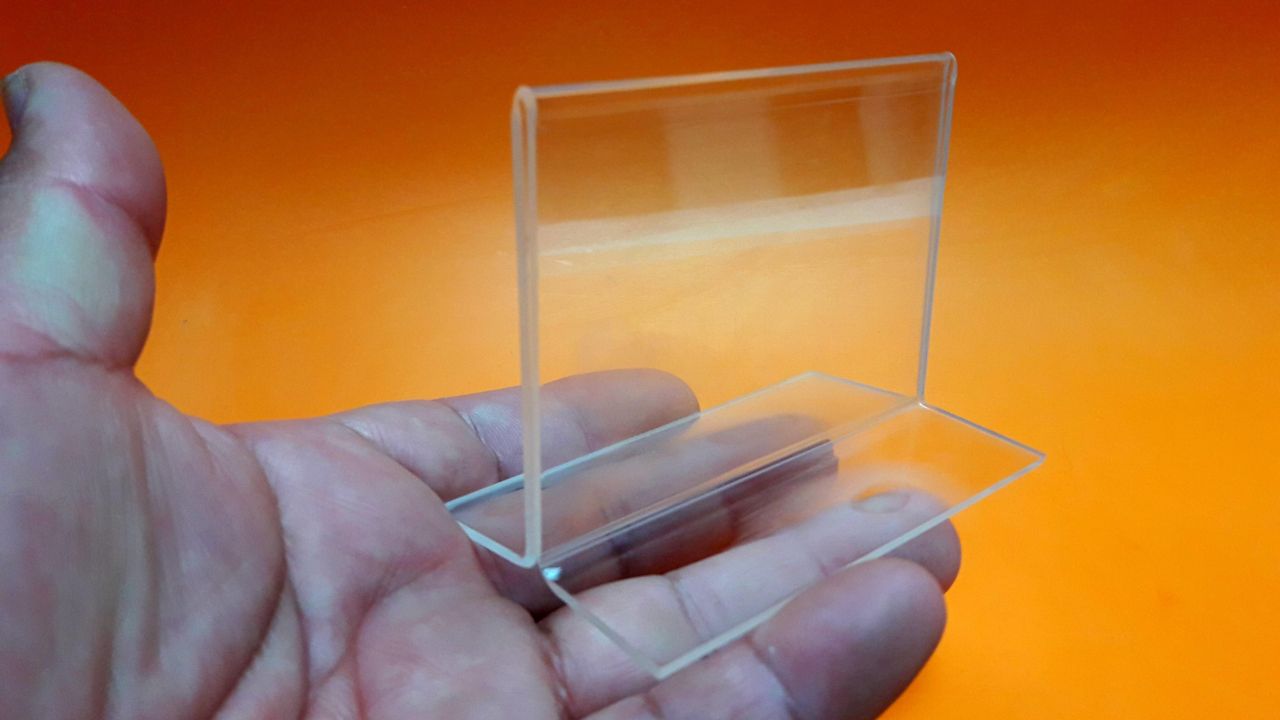
Frame-based displays and sign holders serve different strategic purposes in event environments. The picture and display frame market is valued at $9.61 billion, while sign holders represent a $1.2 billion market segment. Frames work best when content changes quarterly or less and when premium aesthetics matter most.
Sign holders excel in fast-paced environments requiring frequent content updates. Choose frames when operating in high-end retail or corporate settings where a polished presentation reinforces brand positioning. Sign holders provide cost-effective solutions for promotions that change weekly or require deployment across multiple locations.
Slanted and Multi-Tier Display Options
Slanted displays improve visibility by positioning products and information at optimal viewing angles. Free-standing display units valued at $3.28 billion in 2024 include numerous slanted and multi-tier configurations. These designs maximize vertical space while maintaining easy access to displayed items.
Multi-tier slanted racks work particularly well for vendor booths with limited square footage. The market for these versatile units is expected to reach $5.08 billion by 2032. Proper angle selection between 15 and 45 degrees enhances customer interaction compared to flat horizontal surfaces.
Why Are Durability and Weather Resistance Critical for Summer Outdoor Displays?
Durability determines whether displays survive multiple events or require frequent replacement after weather exposure. Summer conditions expose displays to intense UV radiation, sudden temperature changes, and unexpected precipitation. A display that fails mid-event creates immediate brand perception problems and disrupts customer engagement.
Weather resistance directly impacts the total cost of ownership and operational reliability. Investing in durable display stands prevents emergency replacements and maintains consistent brand presentation. Materials and construction methods must withstand environmental stress while preserving visual appeal across repeated setup cycles.
Materials Best Suited for Outdoor Use
Aluminum stands as the premier choice for outdoor applications due to its exceptional weather resistance. Aluminum is lightweight, rust-proof, and highly durable with expected lifespans of 10-15+ years. Powder-coated aluminum finishes provide additional protection against scratches and UV degradation.
Acrylic offers glass-like clarity but is susceptible to scratching under outdoor conditions. Polycarbonate is significantly more impact-resistant than acrylic but costs more and shows surface wear patterns. MDF is cost-effective and paints well, but is heavy and vulnerable to moisture that causes swelling and delamination. Corrugated plastic is weather-resistant and lightweight, but lacks a premium appearance and typically lasts only 1-2 years.
Weather Challenges and Impact on Display Performance
Weather unpredictability includes wind, UV exposure, and sudden rain that can damage unprotected displays. Wind speeds above 20 mph create structural stress on poorly anchored displays and can cause complete system failures. UV exposure fades printed graphics on materials without adequate protection, reducing brand impact within weeks.
UV direct printing creates vibrant, durable graphics that resist fading throughout extended outdoor exposure. Temperature fluctuations cause expansion and contraction in materials, potentially loosening connections in inferior mounting systems. Weighted bases and reinforced frame connections prevent wind displacement and maintain display stability during gusty conditions.
Design Features for Stability and Longevity
Strategic design elements significantly extend display lifespan and prevent weather-related failures. Acrylic lifespan is typically 5-10 years indoors, but decreases substantially under continuous outdoor UV exposure. Corrugated plastic has a short lifespan of 1-2 years, even with careful handling.
Integrated drainage channels prevent water accumulation that damages graphics and accelerates material degradation. Modular connection points allow component replacement without discarding entire systems when specific parts show wear. Reinforced corner joints and welded aluminum frames distribute stress loads evenly during wind events.
How Do Consumer Preferences Influence Outdoor Event Display Choices?
Consumer preferences directly shape which display solutions generate the highest return on investment at events. Research shows that 70% of purchasing decisions are made in-store at the point of sale. Display effectiveness depends on aligning design choices with what influences buying behavior during face-to-face interactions.
Understanding demographic priorities helps businesses and event organizers select displays that resonate with target audiences. Data reveals that 68% of shoppers report making purchases due to compelling signage. Strategic display selection transforms passive event attendance into active customer engagement and measurable conversion opportunities.
Prioritizing Personalization and Visual Appeal
Personalization influences 72% of consumers when evaluating products and making purchase decisions at events. Visual appeal directly impacts brand perception, with 68% of consumers influenced by aesthetics during shopping experiences. Strong visual merchandising creates immediate differentiation in crowded event environments where multiple vendors compete for attention.
Compelling signage triggers 62% of buying decisions as impulse purchases when customers are attracted to appealing displays. Professional business card displays provide touchpoints for follow-up engagement after initial event contact. Customized graphics and branded elements strengthen message retention compared to generic solutions.
Sustainability and Eco-Friendly Materials
Sustainability influences 66% of consumers when choosing which vendors to support at events. FSC-certified materials signal environmental responsibility through Forest Stewardship Council-verified eco-friendly sourcing practices. Younger demographics particularly value visible sustainability commitments that align with personal values.
Recyclable aluminum and responsibly sourced wood components meet growing demand for environmentally conscious business practices. Reusable display systems reduce waste compared to single-use promotional materials. Communicating material choices through subtle labeling strengthens brand positioning with sustainability-focused consumer segments.
Ease of Installation and Functionality
Ease of installation influences 55% of consumers indirectly by ensuring displays remain operational throughout events. Functionality influences 52% of consumers when displays integrate interactive elements or practical information access. Quick setup systems reduce labor costs and prevent delays that compress selling time.
Tool-free assembly allows rapid deployment by staff without specialized training or equipment investment. Multi-functional displays that hold brochure holders alongside product samples maximize information density within limited booth space. Integrated lighting options and adjustable components adapt to changing conditions throughout day-long outdoor events.
What Are the Advantages and Drawbacks of Modular Systems in Outdoor Settings?
Modular display systems offer unmatched flexibility for businesses attending varied outdoor events. These systems allow configuration changes that adapt to different booth sizes and product mixes. Components recombine in multiple arrangements, maximizing investment value across diverse event types.
Despite higher initial costs, modular systems provide long-term value through reusability and adaptability. Understanding both benefits and limitations helps businesses make informed purchasing decisions. Strategic component selection creates display ecosystems that serve multiple purposes.
Versatility and Scalability of Modular Displays
Modular systems reconfigure to accommodate different event spaces ranging from compact vendor booths to expansive festival installations. Component-based designs allow businesses to expand displays as budgets permit rather than requiring complete replacements. Interchangeable panels and frames adapt to seasonal product changes without extensive redesign.
Standardized connection points enable seamless integration of new components with existing inventory. Businesses can start with basic configurations and add specialized elements as event strategies evolve. This scalability prevents obsolescence that affects fixed-configuration displays when business needs change.
Cost Considerations and Long-Term Value
Modular systems have higher upfront costs, typically exceeding $1,500, but prove more cost-effective over 3-5 year periods. Durability influences 62% of consumers when selecting display solutions that withstand repeated use across multiple seasons. Initial investment spreads across numerous events, reducing per-event costs compared to disposable alternatives.
Cost influences 58% of consumers when balancing quality requirements against available budgets. Premium modular components constructed from aluminum and powder-coated steel justify higher prices through extended lifespans. Replacement part availability prevents complete system disposal when individual components show wear, further extending total value.
Setup and Storage Requirements
Modular systems require storage space for unused components between events. Organizational systems prevent component loss and ensure complete sets remain available for rapid deployment. Protective cases and labeled storage prevent damage during transportation between events.
Setup complexity increases with system sophistication, but remains manageable through clear component labeling and assembly documentation. Staff training investment pays dividends through faster deployment times and reduced setup errors. Disassembly processes must account for proper component cleaning and inspection before storage to maintain condition standards.
How Can Slanted Displays Enhance Engagement at Outdoor Events?
Slanted displays leverage ergonomic principles to increase product visibility and customer interaction at outdoor events. Angled surfaces direct customer attention downward along natural sight lines rather than requiring awkward positioning. This design approach reduces physical barriers between customers and products while maintaining professional presentation.
Research shows that optimal viewing angles significantly impact engagement levels and purchase conversion rates. Slanted configurations work particularly well for literature distribution, product sampling, and menu presentations where information clarity matters most.
Optimal Angles for Visibility and Interaction
The optimal viewing angle for countertop displays falls between 15 and 30 degrees for comfortable reading. Floor-standing units benefit from 30 to 45-degree angles that accommodate varied customer heights and viewing distances. Proper angle selection reduces neck strain and improves information comprehension compared to horizontal or vertical alternatives.
Steeper angles maximize visibility in crowded environments where customers view displays from standing positions. Shallower angles suit seated viewing contexts or detailed product examination. Adjustable angle mechanisms allow real-time optimization based on specific event conditions and customer traffic patterns.
Space Efficiency in Vendor Booths
Slanted displays maximize vertical space utilization within compact vendor booth footprints common at outdoor events. Multi-tier slanted racks display more products per square foot than traditional flat shelving. This efficiency proves critical when booth rental costs justify maximizing display density without creating cluttered appearances.
Slanted displays have limited capacity compared to vertical shelving, but compensate through improved individual item visibility. Strategic product placement on angled surfaces highlights featured items and promotional offerings. Corner and edge positioning takes advantage of underutilized booth areas that flat displays cannot effectively occupy.
Lighting and Glare Management
Slanted displays have specific lighting requirements to avoid glare that obscures printed materials and product details. Angled surfaces interact differently with overhead sunlight and artificial lighting compared to vertical displays. Proper orientation relative to primary light sources prevents reflective glare that reduces readability.
Matte finish materials and anti-glare coatings minimize reflection issues on slanted acrylic and polycarbonate surfaces. Strategic booth positioning considers sun movement throughout event hours to prevent temporary glare problems. Adjustable display components allow angle modifications when lighting conditions change between morning and afternoon periods.
What Are Effective Strategies for Budgeting and Pricing Outdoor Event Displays?
Effective budgeting requires understanding total investment needs across initial purchase, maintenance, and replacement cycles. Display selection involves balancing immediate budget constraints against long-term value and operational requirements. Strategic purchasing decisions consider event frequency, display lifespan, and adaptability to changing business needs.
Price tiers reflect significant differences in materials, manufacturing quality, and expected performance. Businesses must evaluate whether budget options meet durability requirements or premium solutions justify higher costs. Comprehensive cost analysis prevents expensive mistakes that require premature replacement or limit event participation.
Budget, Mid-Range, and Premium Display Options
Budget-tier acrylic sign holders and ad frames range from $15 to $50 for basic countertop applications. Display stands in the budget tier cost $50 to $150 and provide functional solutions for short-term events. Modular display kits start at $500 and extend to $1,500 for entry-level configurations.
Trade show booths measuring 10x10 feet range from $2,000 to $5,000 in budget tiers. Outdoor LED displays represent significant investments starting at $3,000 and reaching $8,000 for basic systems. Mid-range options typically double budget pricing while premium solutions reach $15,000+ for modular systems and $100,000+ for advanced LED installations.
Total Cost of Ownership and Reusability
Total cost of ownership calculations must include storage, transportation, setup labor, and maintenance expenses beyond initial purchase prices. Reusable displays distribute costs across multiple events, improving return on investment. Seasonal event schedules determine whether premium durability justifies higher upfront costs through extended useful life.
Replacement component availability affects long-term ownership costs when individual parts require periodic updates without complete system replacement. Businesses attending 10+ events annually benefit more from premium investments than occasional participants. Transportation durability prevents damage costs that accumulate through repeated loading and setup procedures.
Cost-Benefit of Material Choices
Material selection directly impacts both initial costs and long-term performance under outdoor event conditions. Plywood offers better strength than MDF and provides eco-friendly options through FSC-certified sustainable sourcing. Aluminum components command premium prices but deliver superior weather resistance and extended service life exceeding 10 years.
Budget materials like corrugated plastic suit temporary applications but require frequent replacement, which increases cumulative costs. Premium powder-coated aluminum frames justify higher prices through maintenance-free operation and professional appearance retention across years. Strategic material mixing combines premium structural components with replaceable graphic panels to balance durability and update flexibility.
How Do Regional and Demographic Factors Affect Outdoor Display Solution Selection?
Regional preferences significantly influence which display features resonate most effectively with local event audiences. Geographic factors affect weather resistance priorities, aesthetic preferences, and technology adoption rates among target demographics. Understanding these variations helps businesses optimize display investments for specific event locations.
Demographic factors, including age, shopping preferences, and urban versus rural location, create distinct display effectiveness patterns. Strategic selection considers who attends specific events and what display characteristics influence their engagement.
Geographic Preferences for Tech and Sustainability
The West Coast leads in tech-forward and sustainable displays with an 82% adoption rate of advanced features. Northeast markets favor premium, curated aesthetics that align with higher-end retail expectations. Southeast regions show strong demand for weather-resistant outdoor event displays designed for high humidity and intense UV exposure.
Midwest markets prioritize durable, value-oriented solutions that withstand varied weather conditions. Regional climate patterns directly influence material selection, with coastal areas requiring enhanced corrosion resistance. Urban coastal markets combine sustainability requirements with technology integration expectations that rural markets may not prioritize equally.
Urban Vs. Rural Display Needs
Urban consumers represent 75% of weekly physical store shoppers and prioritize compact designs that maximize limited booth space. Rural consumers shop weekly in physical stores at 68% rates and place a higher value on durability and weather resistance. Urban event environments typically feature higher vendor density, requiring displays that stand out in crowded marketplaces.
Rural markets often involve longer travel distances between events, increasing transportation durability requirements and setup efficiency importance. Urban consumers respond more strongly to technology integration and digital display elements. Weather protection priorities differ, with rural outdoor events potentially lacking covered alternatives during sudden precipitation that urban venues may provide.
Essential Display Solutions for Summer Outdoor Events: Integrating Durability, Visibility, and Consumer Appeal
Successful summer outdoor event displays balance weather resistance with visual impact and practical functionality. Material selection forms the foundation, with aluminum providing optimal durability and weather-resistant signage that holds its color uniformity and maintains brand consistency throughout challenging conditions. Understanding consumer preferences ensures display investments align with factors that drive engagement and purchasing decisions at events.
Strategic display selection considers the total cost of ownership rather than the initial purchase price when evaluating options. Modular systems deliver long-term value despite higher upfront costs through adaptability and reusability. Businesses benefit from partnering with manufacturers offering custom displays that meet specific event requirements while maintaining professional appearance standards.
Displays & Holders provides comprehensive display solutions manufactured domestically to ensure reliable delivery and consistent quality standards. Their in-house production capabilities support both stock items for immediate deployment and custom configurations meeting unique event requirements. Same-day shipping on in-stock products helps businesses respond quickly to unexpected event opportunities.
Gear Up for Your Summer Events with Displays & Holders
Your next outdoor event deserves displays that show up looking sharp and stay standing through wind, sun, and afternoon heat. Displays & Holders builds durable sign holders, banner stands, and custom acrylic displays in our Anaheim, California facility, with same-day shipping on in-stock items so you never miss an event date. Browse our outdoor-ready lineup or request a custom configuration built around your booth, your branding, and your budget. Reach out today and put more than 38 years of American manufacturing to work for your summer event season.