











Key Takeaways
- Use high-grade acrylic: 3mm+, 92% light transmission, ±0.2mm tolerance. Specify in RFQs to prevent yellowing/cracking and flimsy looks.
- Place for engagement: Mount L-stands 140–155 cm high, 15–25° tilt. Eye-level products are 82% likelier to sell; proper placement can lift dwell time ~20%.
- Design spec cards by hierarchy: 28–36 pt bold price; 3–5 customer benefits (no jargon); trackable QR to VIN pages. Expect 8–12 s attention.
- Track ROI and act: QR scans <5% → redesign; dwell <60 s → strengthen copy; lead conversion <2% → simplify forms. Dealers investing >50% in digital see ~25% better sales.
- Pick reliable vendors: 50-piece custom MOQs, 7–10-day CA lead times, transparent pricing, 1-year warranty, to avoid late delivery, hidden costs, and cheap replacements.
Automotive showrooms face a unique challenge: presenting detailed vehicle information without cluttering the aesthetic or touching pristine surfaces. Automotive spec sheet holders solve this by delivering crystal-clear visibility, professional durability, and flexible placement, turning spec sheets and pricing into engagement tools rather than afterthoughts. For visual merchandising managers overseeing multi-location dealership operations, standardized acrylic systems ensure brand consistency while reducing the time-consuming cycle of replacing cheap holders that crack or yellow within months.
This guide provides a systematic framework for selecting, implementing, and measuring acrylic information holders that enhance vehicle presentations without compromising showroom aesthetics, addressing the core frustrations of cheap displays that crack, suppliers who overpromise, and operational inefficiencies that waste staff time on constant replacements.
What Are Acrylic Information Holders And Why Do Dealerships Use Them?
Acrylic information holders are clear display stands made from PMMA (polymethyl methacrylate), also called plexiglass or acrylic, designed to present vehicle specifications, pricing, and feature sheets without obstructing sightlines. Dealerships use them because they're lightweight, shatter-resistant, and maintain optical clarity for 5-7 years, unlike cheaper plastics that yellow or crack.
Visual merchandising managers running 15+ showroom locations rely on acrylic for its consistency: one vendor, predictable quality, and the ability to customize with logos or brand colors at scale.
Core formats and their primary use cases:
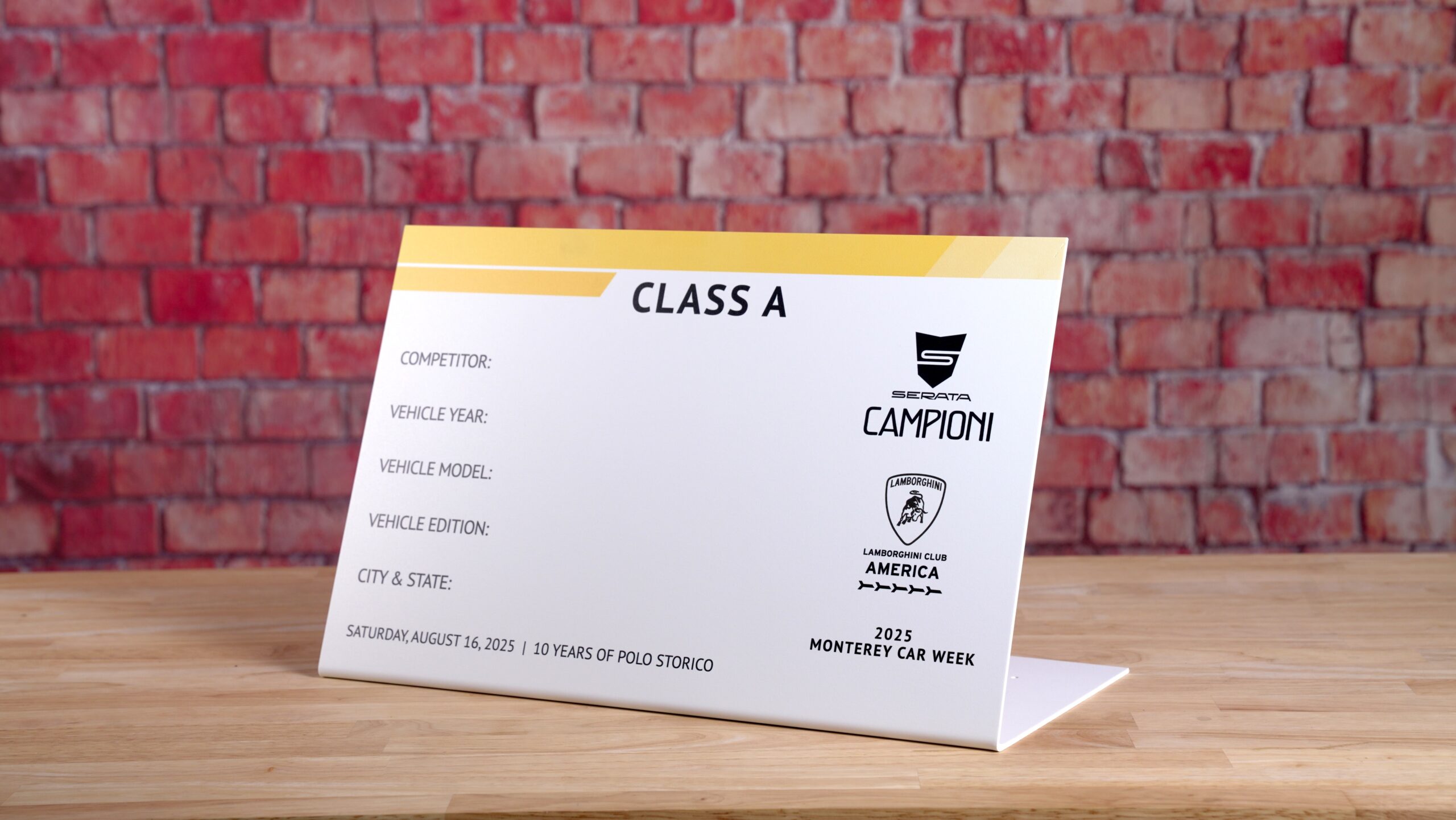
- L-stand (dashboard specs) – Sits on dashboard for feature cards; matches natural document-scanning patterns at eye level. Ideal for countertop-height viewing during consultations.
- T-base pedestal (floor-standing pricing) – Freestanding A4 holder placed 1 meter from front bumper; eliminates adhesive residue on vehicles. These floor standing poster frames maintain stability without vehicle contact.
- Windshield clip-on (temporary promos) – Attaches to side glass for walk-by traffic; swaps out in seconds for seasonal campaigns.
- Wall-mount (permanent brand displays) – Fixed displays for financing terms or warranty info; integrates into showroom architecture.
80% of automotive buying decisions are based on in-store visuals, and well-designed showroom sign displays increase dwell time by 20%.
What Acrylic Holder Formats Best Present Vehicle Specs and Promotions In Dealership Showrooms?
| Content Type | Best Format | Ideal Size | Placement | Why It Works |
| Spec Cards | L-stand | A4 (8.5×11") | Dashboard center | Eye-level, matches document scanning pattern |
| Pricing/Compliance | T-base pedestal | A4 portrait | Front-left, 1m from bumper | No vehicle contact, eliminates residue risk |
| Feature Highlights | Windshield clip-on | A5 (5×7") landscape | Side glass | Captures walk-by traffic, easy to update |
| Promotions/Finance | Magnetic base or clip-on | A5 landscape | Windshield corner | Temporary placement, urgency messaging |
Digital signage in automotive showrooms enhances customer engagement by 30% and sales by 20%, pairing premium acrylic stands with QR codes bridges physical and digital touchpoints for omnichannel pricing consistency.
How Does Acrylic Compare To Other Display Materials?
| Material | Clarity | Weight | Scratch Resistance | Cost | Best For |
| Acrylic (PMMA) | Excellent (92% light transmission) | Lightweight | Moderate (buffable) | $8-25/holder | 80% of showroom applications |
| Tempered Glass | Excellent | Heavy (2x acrylic) | High | $15-40 | Premium/low-touch displays |
| Polycarbonate | Good (yellow tint over time) | Lightweight | Low (needs coating) | $12-30 | Outdoor forecourt use |
When To Upgrade To Specialty Acrylic:
- Matte AR (anti-reflective coating) – Overhead spotlights causing glare on standard acrylic; eliminates customer squinting
- UV-blocking acrylic – Holders within 10 feet of showroom windows; prevents yellowing over 3-5 years from sun exposure
- Low-iron glass alternative – Ultra-premium luxury brands (exotic/supercar) requiring truest color rendering for brand materials
Where Should Holders Be Placed For Maximum Impact?
Placement determines whether a spec card gets read or ignored. The goal is to intercept natural sight lines during the browsing phase, before customers commit to sitting down with sales staff, while avoiding visual clutter that distracts from the vehicle itself.
Strategic Placement Zones:
- Dashboard center – Highest visibility from showroom aisles; captures initial walk-up engagement. Trade-off: May obstruct exterior styling view through windshield.
- Windshield upper-left – Industry-standard pricing location customers expect to check. Trade-off: Prone to glare from overhead spotlights during peak afternoon hours.
- Front-left pedestal (1m from bumper) – Eye-level for standing viewers; eliminates vehicle contact and adhesive residue risk. Trade-off: Occupies 0.3-0.5m² of floor space in tight showroom layouts.
- Side window – Captures walk-by traffic from secondary aisles; ideal for time-sensitive vehicle feature placards. Trade-off: Perceived as supplemental information rather than primary specs.
| Viewer Context | Optimal Card Height | Tilt Angle | Rationale |
| Standing (browsing) | 140-155cm | 15-25° back | Reduces neck strain at 1-1.5m viewing distance |
| Seated (consultation) | 100-110cm | 30-40° back | Both advisor and customer view simultaneously |
Products at eye level are 82% more likely to be purchased; proper placement ensures spec cards meet standing viewer sight lines at 165-175cm average height.
How Do You Design Readable, Effective Spec Cards?
Customers spend 8-12 seconds scanning each card before moving to the next vehicle. Information hierarchy matters: lead with price, follow with the three features that differentiate this trim from competitors, and eliminate jargon that requires a sales explanation.
Mandatory Fields With Copy Rules:
- Price (MSRP + destination) – 28-36pt bold with "Starting at" qualifier to manage expectations on add-ons
- Trim designation – Official manufacturer name only (e.g., "Limited AWD" not "Loaded Package")
- Powertrain – Max 6 words: "2.0L Turbo + 8-Speed Auto" beats lengthy technical descriptions
- Key features – 3-5 customer benefits, not engineering specs (✓ "Hands-free highway driving" > ✗ "Level 2 ADAS with lane centering")
- QR code – 2-3cm square linking to VIN-specific inventory page with 360° tour and real-time availability
| Element | Min Size (pt) | Max Characters/Line |
| Headline (Trim) | 24pt | 25 characters |
| Price/Subhead | 18pt | 30 characters |
| Body (Features) | 12pt | 60 characters |
| Disclaimers | 8pt minimum | 80 characters |
Complementary colors in displays increase sales by 35%, and well-lit displays make products appear 20% more valuable, use negative space and brand accent colors strategically rather than overcrowding cards with text.
What Sizes And Thicknesses Work Best?
Size determines readability distance; thickness signals quality. Multi-location managers ordering 50+ holders at once (per ICP minimum) need standardized sizing that works across compact sedans and full-size SUVs without custom adjustments for every model.
Size selection rules:
- A5 (5×7") – Feature highlights and side-window promos; readable at 1-2m distance for walk-by traffic
- A4 (8.5×11") – Default spec card size matching standard office printers; reduces operational friction when updating pricing. Readable at 2-4m.
- A3 (11×17") – Floor pedestals and wall-mount comparison charts; readable at 4-6m for high-traffic showroom entrance areas
| Holder Type | Recommended Thickness | Why It Matters |
| L-stand | 3-5mm | Prevents bowing under paper weight; maintains 90° viewing angle |
| T-base pedestal | 5-8mm | Freestanding requires rigidity; thickness adds visual quality signal matching premium vehicles |
| Clip/suction | 2-3mm | Lightweight maximizes adhesion strength on curved windshields |
Specify 3mm minimum thickness in RFQs to avoid the "flimsy, cheap-looking" holders that crack within weeks, directly addressing the core ICP frustration about vendors who damage professional reputation with substandard materials.
How Do You Control Glare And Maintain Cleanliness?
Glare turns spec cards into mirrors; improper cleaning creates scratches that compound the problem. Visual merchandising managers running 15+ locations need standardized protocols that work across different showroom lighting configurations without requiring site-specific troubleshooting for each rooftop.
Glare Quick Fixes:
- Reposition spotlights to avoid 45-60° angle-of-incidence, causing mirror-like reflection on the acrylic surface
- Use matte AR acrylic when lighting can't be adjusted (adds $5-12/holder but eliminates glare permanently)
- Apply polarizing film to standard acrylic as retrofit; test for "rainbow" effect under LED lighting before bulk application
- Place UV-blocking acrylic near windows to prevent yellowing while maintaining 92% visible light transmission and blocking 98% UV. For premium visibility, consider LED-enhanced acrylic display stands for evening showroom hours.
| Cleaner | Safe for Acrylic? | Use Notes |
| Mild soap + water | ✓ Yes | Weekly cleaning with microfiber cloth only |
| Isopropyl alcohol <30% | ✓ Yes | Spot cleaning fingerprints and smudges |
| Ammonia-based (Windex) | ✗ NO | Causes micro-cracks and permanent cloudiness |
| Paper towels | ✗ NO | Scratches surface; microfiber only |
Preventive Care:
- Anti-static spray monthly reduces dust attraction in high-traffic showrooms with HVAC airflow
- Store spare holders in protective sleeves prevents scratches during inventory rotation between seasonal campaigns
- Rotate high-touch displays quarterly extends lifespan to 3-5 years, matching ICP expectations for durable displays that avoid constant replacements
How Do You Integrate Digital Touchpoints With Physical Displays?
QR codes bridge the 8-second physical glance with deeper online engagement, but only if they're scannable, trackable, and lead somewhere useful. Poorly implemented codes (too small, no quiet zone, linking to generic homepage) train customers to ignore them.
QR Code Best Practices:
- Maintain 4-module quiet zone (white border) around code for reliable camera detection in varying light conditions
- Place bottom-left/right corner with short URL fallback below QR (e.g., "dealer.com/VIN123456") for manual entry option
- Embed UTM tracking (?utm_source=showroom&utm_medium=qr) to measure scan-to-lead conversion rates per vehicle
- Link to VIN-specific pages with 360° tour, finance pre-qualification, appointment booking, and live chat, not generic model pages
- Include "Scan for details" micro-copy for non-tech-savvy buyers unfamiliar with QR functionality
Dealers spending >50% budget on digital marketing show 25% better sales performance, QR codes on acrylic holders bridge physical showroom to digital ecosystem, ensuring pricing consistency across channels.
What Compliance And Mounting Considerations Matter?
Mounting methods that damage vehicles or violate local disclosure requirements create liability and erode customer trust. Franchise managers overseeing multi-location operations need standardized mounting protocols that work across OEM requirements and regional regulations without custom solutions per rooftop.
Mounting Method Safety:
- Adhesive tabs – Test on spare glass/tint sample first; limit dwell time to <30 days to minimize residue that damages vehicle finishes
- Magnetic base – Safe for metal surfaces only; avoid placement near airbag sensors, radar modules, or electronic components
- Suction cups – Verify adhesion on tinted glass (some aftermarket films reduce grip by 30%); dual 5cm+ cups minimum for stability
- Mechanical brackets – Wall-mount applications only; use VHB tape backup for vibration resistance in high-traffic areas
Compliance Basics:
- Position pricing/disclosure per local regulations (typically windshield upper-left for MSRP sticker; check state-specific requirements)
- Maintain 4.5:1 contrast ratio for text readability meeting WCAG accessibility standards (dark text on light background or vice versa)
- Offer bilingual cards or QR audio alternative in markets with significant non-English-speaking buyer populations
How Do You Measure ROI And Choose The Right Vendor?
Displays aren't decor, they're revenue tools. Measuring scan rates, dwell time, and lead capture quantifies whether acrylic holders justify their cost versus cheap alternatives that crack within weeks (the core ICP frustration with previous vendors).
| Metric | How to Measure | Action Trigger |
| QR scan rate | UTM tracking in Google Analytics | <5% scans = redesign placement or card copy |
| Dwell time near vehicle | Foot traffic sensors or manual observation | <60 seconds = revise spec card hierarchy |
| Lead capture via QR | CRM form submissions from showroom-specific codes | <2% conversion = simplify form fields |
| Cost per holder/month | Total program cost ÷ holder count ÷ 12 months | >$3/holder/month = renegotiate or consolidate vendors |
KEY STAT: Investing in skilled visual merchandisers delivers up to 300% ROI, and 73% of customers say good merchandising makes them more likely to return, measurable via repeat showroom visit tracking in CRM systems.
| Criterion | Specification | Why It Matters (ICP) |
| Optical clarity | ≥92% light transmission | Prevents "cheap-looking" displays that damage professional image |
| Thickness tolerance | ±0.2mm across batch | Ensures consistent quality on multi-rooftop orders of 50+ pieces |
| Customization minimum | 50-piece minimum order | Accessible vs. competitors requiring 500+ MOQ; matches ICP budget authority |
| Lead time | 7-10 business days | Fast turnaround for urgent campaigns; California manufacturing eliminates overseas delays |
| Warranty | 1-year minimum on breakage | Reduces replacement costs; supports "buy once, use for years" ICP mentality |
Your 30-Day Acrylic Holder Implementation Plan
Over 30 days, audit high-traffic areas and flag every yellowed, scratched, or flimsy holder (Days 1–3); standardize on two formats—L-stands for dash spec cards and T-base pedestals for floor pricing—to eliminate complexity (Days 4–7); build a brand-compliant spec card template with price, trim, powertrain, 3–5 benefits, and a trackable QR, using proper type and whitespace (Days 8–14); run a 50-piece pilot with 3mm+ acrylic, transparent pricing, and 7–10-day California lead times, deploying in your busiest showroom while baselining dwell via foot-traffic sensors (Days 15–21); then train staff on microfiber-only cleaning and adhesive-free mounting and launch a dashboard for QR scan rate, dwell time, and lead-capture conversion (Days 22–30).
Strategic signage and professional displays routinely lift inquiries and sales, so treat holders as a merchandising system—not commodities—and favor American-made options with clear pricing, fast turnaround, and 50-piece MOQs to avoid flimsy imports, missed deadlines, and hidden fees while building reliable vendor partnerships.
Ready to upgrade your showroom displays with durable, professional acrylic holders? Contact Displays & Holders’ team for custom quotes, material samples, and implementation support tailored to multi-location dealership operations.