










Key Takeaways:
- Acrylic transmits 92% of light and maintains clarity for decades, while plastic yellows within 1-3 years under UV exposure.
- Acrylic lasts 10-30+ years versus plastic's 1-5 year lifespan, with outdoor signage showing the starkest difference: 20 years versus 2 years.
- Break-even point for acrylic investment occurs around 2.5 years (30 months), after which total cost savings continue to grow significantly.
- Products displayed in quality acrylic holders experience 80-478% purchase increases, with 82% of shoppers preferring eye-level clear displays.
- Acrylic is 10 times stronger than glass, supports laser engraving and custom fabrication, and requires no painting, refinishing, or structural repairs throughout its service life.
Selecting the right material for brochure holders impacts brand perception, customer engagement, and long-term costs. Acrylic and plastic represent two distinct choices with different performance profiles. This guide examines material composition, optical clarity, durability, customization capabilities, and cost analysis to help businesses make informed purchasing decisions.
What Is the Difference Between Acrylic and Plastic for Brochure Holders?
Material composition determines performance characteristics. Understanding the fundamental differences between acrylic and common plastics helps businesses select holders that align with their operational requirements and budget constraints.
What Is Acrylic and How Is It Manufactured for Professional Display Use?
Acrylic is PMMA (Polymethyl Methacrylate), a thermoplastic material engineered for optical clarity and durability. Manufacturing methods include cast acrylic and extruded processes, each producing different quality levels. Cast acrylic offers superior optical properties and thickness uniformity. Extruded acrylic provides cost-effective solutions for standard applications. The material comes in a range of sizes and shapes, enabling custom fabrication for specific business needs.
Premium acrylic features 2-5mm thickness for moderate to heavy-duty applications. Standard grades measure 2-3mm for everyday use. Luxury applications often specify 5mm+ thickness, delivering enhanced structural integrity and visual weight. Manufacturing quality directly correlates with edge finishing, clarity uniformity, and absence of bubbles or imperfections.
What Types of Plastic Are Commonly Used in Brochure & Literature Holders?
Common plastics include PET (polyethylene terephthalate), polystyrene, polycarbonate, and PVC. Each polymer exhibits distinct characteristics. PVC and polyethylene typically appear opaque or cloudy compared to acrylic. Polystyrene shows particular sensitivity to sunlight exposure, limiting outdoor applications. Polycarbonate offers superior impact resistance but often sacrifices optical clarity.
Thin plastic holders measure 1-2mm, suitable only for disposable or short-term use. Standard plastic ranges 2-3mm but lacks the rigidity and scratch resistance of equivalent acrylic thicknesses. Traditional plastics serve budget-conscious applications where aesthetics and longevity take secondary priority to initial cost savings.
Which Material Provides Better Clarity and Visual Presentation for Customer-Facing Displays?
Optical performance directly influences customer engagement and purchasing decisions. Material transparency affects product visibility, brand perception, and display effectiveness in retail, hospitality, and corporate environments.
Why Does Optical Clarity Matter for Retail, Hospitality, and Corporate Environments?
Clear displays build immediate trust and interest. Research shows 82% of shoppers are more likely to purchase products positioned at eye level in transparent displays. Unobstructed views create psychological connections between customers and products. Well-designed acrylic display boxes increase purchases by 80% to 478%, with average weekly sales gains of approximately 217 Euros per unit.
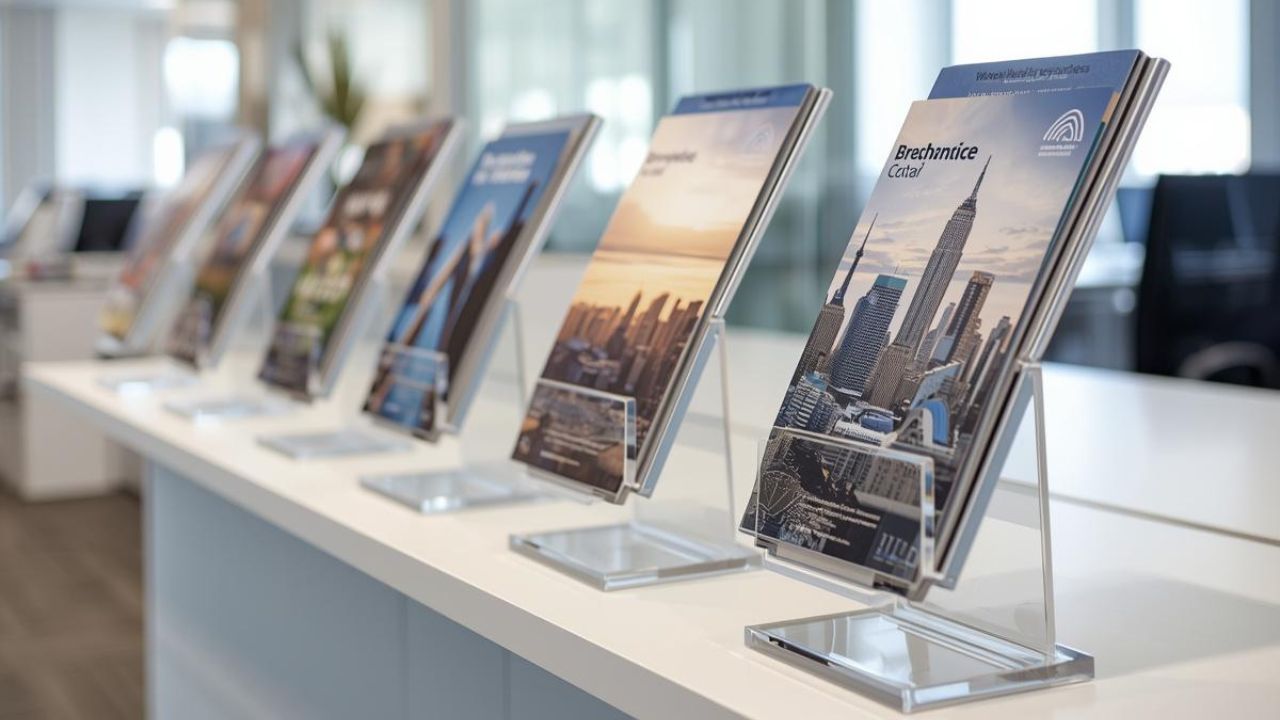
Acrylic's transparency surpasses standard plastics, providing crystal-clear product views critical for customer engagement. The material's optical clarity matches glass performance while offering superior impact resistance. This combination enables prominent placement in high-traffic areas without breakage concerns. Professional brochure holders maximize visibility while maintaining durability standards essential for commercial environments.
How Do Yellowing, Haze, and Surface Quality Affect Long-Term Appearance?
Acrylic transmits up to 92% of light, maintaining transparency for years even in harsh outdoor conditions. Traditional plastics achieve only 80-88% light transmission initially, with rapid degradation over time. Plastic yellows within 1-3 years under UV exposure, creating hazy, discolored surfaces that diminish brand image.
UV degradation causes brittleness and discoloration in traditional plastics. Polystyrene exhibits particular sensitivity to sunlight effects, losing clarity within months of outdoor exposure. Acrylic maintains optical clarity comparable to glass across decades, providing consistent visual presentation throughout the product lifecycle. This sustained performance eliminates the need for frequent replacements due to aesthetic degradation.
Which Material Offers Greater Durability for High-Traffic Business Settings?
Durability determines total cost of ownership and replacement frequency. Material strength, scratch resistance, and structural integrity under stress separate temporary solutions from long-term investments.
How Do Acrylic and Plastic Perform Under Daily Handling and Foot Traffic?
Acrylic is 10 times stronger than glass, withstanding significant force without breaking or cracking. The material resists repeated touch in high-traffic areas, maintaining structural integrity where traditional plastics fail. Polystyrene and PVC crack under stress from daily handling, requiring frequent replacement in busy retail environments.
Unlike metal displays that rust or scratch, acrylic maintains pristine appearance through extended use. The material proves difficult to break, providing reliable performance in high-traffic retail settings where durability matters as much as aesthetics. Display industry experts confirm acrylic withstands conditions that destroy cheaper alternatives within weeks or months.
Which Option Is More Resistant to Cracking, Warping, and Wear Over Time?
Acrylic exhibits high scratch resistance compared to traditional plastics. PVC and polystyrene show pronounced susceptibility to scratches and abrasions, creating worn appearances that reflect poorly on brands. Minor scratches on acrylic polish out easily, restoring original clarity. Scratches on most plastics are permanent, forcing early replacement despite otherwise functional structures.
Lifespan differences prove dramatic. Acrylic lasts 10-30+ years versus 1-5 years for plastic, depending on quality and environment. Specific applications show consistent patterns: display holders average 4 years for acrylic versus 1.5 years for plastic; organizer holders achieve 6 years versus 3 years; outdoor signage delivers 20 years versus 2 years.
How Do Temperature and Weather Conditions Affect Material Longevity?
Acrylic resists weathering, fading, and deterioration from rain, wind, and temperature fluctuations. Traditional plastics become brittle, discolored, or cracked under environmental stress. Temperature tolerance separates materials further. Acrylic handles -40°F to 200°F operating ranges. Plastic degrades above 140°F, limiting applications in sunny windows or heated environments.
Unlike wooden features that warp in humid conditions, acrylic maintains dimensional stability across climate variations. This environmental resilience makes acrylic suitable for outdoor installations, vehicle-mounted displays, and uncontrolled temperature environments where plastic fails rapidly.
How Do Custom Fabrication and Branding Capabilities Compare Between Acrylic and Plastic?
Customization options enable brand differentiation and specialized applications. Material workability determines fabrication possibilities, from simple modifications to complex custom designs.
Can Both Materials Support UV Printing, Logo Application, and Custom Inserts?
Acrylic supports laser engraving for permanent branding and detailed graphics. The material accepts UV printing, vinyl application, and embedded inserts without structural compromise. Plastic presents printing limitations, with many polymers unable to accept permanent marking methods. Adhesive-based graphics often peel or degrade on plastic surfaces, especially under outdoor conditions.
Color options differ significantly. Acrylic comes in bright colors that engage consumers while maintaining transparency where desired. Custom tints, frosted finishes, and selective opacity enable creative display solutions. Modern hybrid display solutions integrate digital elements with traditional acrylic holders, combining physical presence with interactive technology for enhanced customer engagement.
Which Material Is Better for Precision Cutting, Heat Bending, and Custom Sizing?
Acrylic proves easier to shape and more versatile than alternatives. The material accepts precision cutting through laser, saw, or router methods, enabling complex geometries and tight tolerances. Heat bending creates curves and angles impossible with flat plastic sheets. Custom sizing adapts displays to specific spatial constraints or branded dimensions.
Design flexibility reaches peak levels with acrylic fabrication. Complex edge treatments, integrated hardware mounting, and multi-piece assemblies leverage material workability. Plastic's lower melting point and structural weakness limit custom fabrication options. Many plastics crack or deform during cutting and bending operations, restricting designs to simple rectangular forms.
What Is the Cost Difference Between Acrylic and Plastic for Bulk Business Orders?
Initial pricing versus total cost of ownership creates the essential financial comparison. Purchase price represents only one component of the true economic equation for display materials.
How Do Upfront Material Costs Compare for Standard Brochure Holders?
Acrylic requires 2-5 times higher initial investment than plastic. Specific examples show consistent price premiums: display holders cost $100 for acrylic versus $40 for plastic; organizer holders run $80 versus $35; outdoor signage prices at $300 versus $120. These upfront differences favor plastic for organizations with severe budget constraints or short-term display needs.
However, acrylic proves more cost-effective than wood or metal alternatives for comparable applications. The material's light weight reduces shipping costs compared to glass or metal. Bulk orders enable volume pricing that narrows the gap between acrylic and premium plastic grades.
When Does Long-Term Value Outweigh Initial Savings?
Break-even occurs around 2.5 years (30 months) for typical commercial applications. ROI timelines of 2-3 years despite higher upfront costs reflect replacement frequency differences. Annual cost comparisons reveal the true economics: display holders cost $25 per year for acrylic versus $26.70 for plastic; organizer holders run $13.30 versus $11.70; outdoor signage dramatically favors acrylic at $15 per year versus $60 for plastic.
Reduced replacement frequency generates 30% savings on material and labor costs. Acrylic's shatter-resistant properties eliminate emergency replacements from breakage. Real-world examples demonstrate performance: home office holders exceed 7 years with regular cleaning and sun protection; business sign holders approach 5 years with weekly changes and gentle handling.
Does Material Quality Within the Same Category Affect Long-Term Costs?
Quality grades within acrylic affect longevity significantly. High-quality acrylic resists scratches, yellowing, and cracking far better than economy grades. Cheaper acrylic shows shorter lifespans despite lower initial costs, ultimately costing more through frequent replacement. Premium materials justify their price through extended service life and sustained visual quality.
Investment in quality-grade acrylic delivers measurable returns through reduced maintenance, fewer replacements, and consistent brand presentation. Budget-grade materials of either type create false economies that increase total expenditure over multi-year periods.
How Do You Choose the Best Material Based on Your Business Needs and Industry?
Application requirements, environmental conditions, and brand positioning determine optimal material selection. Systematic evaluation of use-case factors guides purchasing decisions toward solutions that balance performance and budget.
What Thickness and Environmental Factors Should Different Industries Prioritize?
Thickness standards provide the first decision framework. Disposable use accepts 1-2mm thin plastic. Moderate use requires 2-3mm standard acrylic. High-traffic areas demand 3-5mm heavy-duty acrylic. Luxury applications specify 5mm+ premium acrylic for maximum visual impact and structural confidence.
Environmental factors heavily influence lifespan. UV exposure causes yellowing and breaks down chemical structures in plastic. High temperatures soften acrylic and deform plastic. Cold temperatures create brittleness and cracking risk. Indoor controlled environments significantly extend lifespan for both materials, but acrylic maintains advantage across all conditions.
How Do Usage Frequency and Maintenance Requirements Differ Between Materials?
Usage frequency impacts durability calculations. High-traffic or frequent-use applications generate wear, scratching, and stress that favor acrylic's superior scratch resistance. Decorative or rarely-touched displays achieve longer lifespans with either material, making plastic economically viable for protected indoor locations. Quality sign holders and ad frames serve diverse environments, from outdoor weather exposure to climate-controlled lobbies.
Maintenance requirements differ substantially. Acrylic cleans with mild soap and water using soft, lint-free cloths. Harsh chemicals and abrasive cleaners damage both materials but affect plastic more severely. Proper storage in cool, dry places when not in use extends service life. Gentle handling prevents scratches, though acrylic tolerates rougher treatment than plastic alternatives.
When Is Acrylic Essential for High-Traffic Retail and Luxury Brand Applications?
High-traffic retail environments benefit from acrylic's durability and aesthetic consistency. The material withstands repeated customer interaction without developing the worn appearance that undermines brand image. Luxury brands and premium products require display materials that reflect quality positioning. Acrylic's crystal clarity and substantial feel communicate professionalism and attention to detail.
Permanent and long-term displays justify acrylic's higher initial cost through extended replacement intervals. Outdoor signage applications mandate acrylic's weather resistance and UV stability. Plastic fails rapidly in outdoor conditions, requiring replacement within 2 years versus acrylic's 20-year lifespan.
What Professional Applications Leverage Acrylic's Unique Properties?
Professional applications extend beyond basic holders. Custom product displays, podiums, display boxes, signage, covers, and bases leverage acrylic's fabrication versatility. Better product visibility through superior transparency drives purchasing decisions. Colorful displays motivate and influence customers through visual appeal.
Operational advantages compound material benefits. Lightweight design simplifies transportation and installation. Retail teams reconfigure large displays quickly during seasonal campaigns without heavy lifting equipment or extensive labor costs. This flexibility maximizes merchandising agility while minimizing operational expenses.
How Do Maintenance Costs and Reusability Impact the Total Cost of Ownership?
Minimal maintenance delivers ongoing cost savings. Acrylic requires no painting, refinishing, or structural repairs throughout its service life. The material maintains a pristine appearance for years without intervention. Energy efficiency emerges from natural light transmission that reduces spotlighting requirements, lowering electricity costs for product illumination.
Reusability provides strategic value. Displays adapt to multiple campaigns without redesign costs. Seasonal promotions, product launches, and merchandising rotations utilize existing infrastructure, avoiding repeated capital expenses. This flexibility proves particularly valuable for businesses with frequent display updates or rotating product lines.
Can Modern Technology Integration Enhance Traditional Display Performance?
Integration with modern technology expands acrylic's capabilities. QR-integrated brochure holders measure customer engagement while maintaining physical material advantages. Digital tracking complements traditional display effectiveness, creating data-driven merchandising strategies.
This convergence of physical durability and digital analytics enables businesses to optimize display placement, content selection, and customer engagement strategies. Technology integration works seamlessly with acrylic's structural properties, supporting embedded electronics and sensor mounting that plastic cannot accommodate.
Why Does Material Selection Impact Brand Perception and Customer Psychology?
Outdoor applications demonstrate acrylic's superior longevity compared to wooden displays that warp, rot, or weather. Unlike glass that shatters under stress, acrylic maintains structural integrity through impacts and environmental challenges. The combination of clarity, strength, and weather resistance makes acrylic the only viable choice for exposed signage and external displays.
Material selection impacts brand perception at subconscious levels. Premium materials signal quality and professionalism. Cheap plastic potentially damages brand image through visual cheapness that customers associate with products or services. Investment in quality displays communicates organizational values and market positioning.
How Should Businesses Evaluate Total Lifecycle Economics?
Total cost analysis must include replacement frequency, maintenance expenses, and brand impact. Initial savings from plastic purchases evaporate through frequent replacements, labor costs, and lost sales from degraded displays. Strategic buyers evaluate lifecycle economics rather than purchase price alone.
Businesses requiring guidance on material selection for specific applications benefit from expert consultation. Professional display specialists evaluate environmental conditions, usage patterns, budget parameters, and brand objectives to recommend optimal solutions.
Transform Your Business Displays with Professional-Grade Solutions
Material selection determines whether displays enhance or undermine brand perception. The evidence clearly favors acrylic for applications demanding durability, clarity, and long-term value. Plastic serves temporary needs but fails to deliver professional presentation or cost-effectiveness over extended timelines.
Displays and Holders specializes in premium acrylic display solutions engineered for commercial performance. Our expert team helps businesses select optimal materials, thicknesses, and configurations for specific applications. Contact us today to discuss your display requirements and discover how professional-grade acrylic solutions deliver measurable ROI through enhanced customer engagement and reduced replacement costs.