










Key Takeaways
- Innovative display holder materials in 2025 focus on green design and durability.
- Sustainable acrylic displays mix clarity, strength, and eco value.
- Recycled plastic display holders lower waste and cut replacements.
- Eco-friendly signage materials work for retail, trade shows, and healthcare.
- New display material technology, like 3D printing and smart coatings, makes acrylic more versatile.
Retail is changing fast. Shoppers expect more from retail displays, and brands must adapt. Displays are no longer just holders for paper or signs. They now guide the customer experience, tell stories, and support sustainability.
That is why 2025 is a key year. The demand for eco-friendly signage materials, smarter display technology, and less waste is clear. At the same time, acrylic stays on top as the most trusted base. With recycled blends and matte finishes, sustainable acrylic displays are now the standard.
What Are the Latest Innovations in Display Holder Materials?
Many businesses ask: What’s new in display materials? Several answers stand out.
One big change is the rise of recycled plastic display holders. By reusing post-consumer plastic, companies cut waste but maintain durability. These displays match the strength of virgin acrylic while saving resources.
Another is a new display material technology in acrylic. With surface engineering and additive manufacturing, displays are now lighter, stronger, and more scratch-resistant. Many eco-friendly signage materials include coatings that cut glare and last longer in high-traffic retail displays.
Hybrid designs are growing too. These pair sustainable acrylic displays with LED displays, QR code inserts, or interactive screens. Acrylic keeps things affordable and strong, while digital adds reach.
The Push Toward Sustainable Design
Sustainability is now central in the retail landscape. Stores want eco-friendly signage materials that lower waste but still look sharp. Acrylic leads here.
Unlike glass, acrylic is light, tough, and recyclable. New blends of sustainable acrylic displays now use recycled content. That means strength plus eco value.
For brands that once used cardboard, recycled plastic display holders are better. They last for years, save money, and reduce replacements.
3D Printing and Material Flexibility
3D printing is shaping new display material technology. With additive manufacturing, custom holders are made faster and with less waste.
Paired with sustainable acrylic displays, 3D printing allows modular layouts or unique sign frames. Stores can test new ideas without long waits or heavy costs.
Anti-Glare and Scratch Resistance
Durability is vital in retail store displays. Frequent use and heavy traffic create wear. That’s why 2025 brings more anti-glare display technology and scratch-resistant coatings on acrylic.
These upgrades extend the life of clear view display holders. They keep signs sharp after years of use. Scratch- and mar-resistant finishes improve ROI. Anti-glare makes reading easy in bright spaces.
Modular and Lightweight Materials
Flexibility is a major trend. Stores want modular booths and lightweight materials that move fast and fit many layouts. Acrylic works well here. It weighs less than glass but keeps clarity.
With eco-friendly signage materials, modular acrylic systems allow quick swaps for seasonal promos or trade shows. These innovative display holder materials support branding without high costs.
Digital Integration with Acrylic Displays
Digital signage is growing with interactive screens, video walls, and transparent OLED kiosks. Yet acrylic still plays a big role.
Many sustainable acrylic displays now hold digital tags or QR inserts. A recycled plastic display holder might carry a small IoT sensor to track customer behavior.
This blend of acrylic with digital gives a strong impact without the high spend of full digital setups.
Energy Efficiency and Smart Materials
Another 2025 trend is energy savings. With energy-efficient displays like LED signage and e-paper, pairing them with eco-friendly signage materials boosts ROI.
Some sustainable acrylic displays now use smart lighting. Brightness adjusts with foot traffic. These smart materials cut costs and keep focus on the product.
Real-World Applications
In retail, innovative display holder materials are already in use. Grocery chains use recycled plastic display holders to lower waste. Cosmetic stores use sustainable acrylic displays with anti-glare finishes to keep merchandising sharp.
At trade shows, modular acrylic booths with eco-friendly signage materials pack light, set up fast, and look premium.
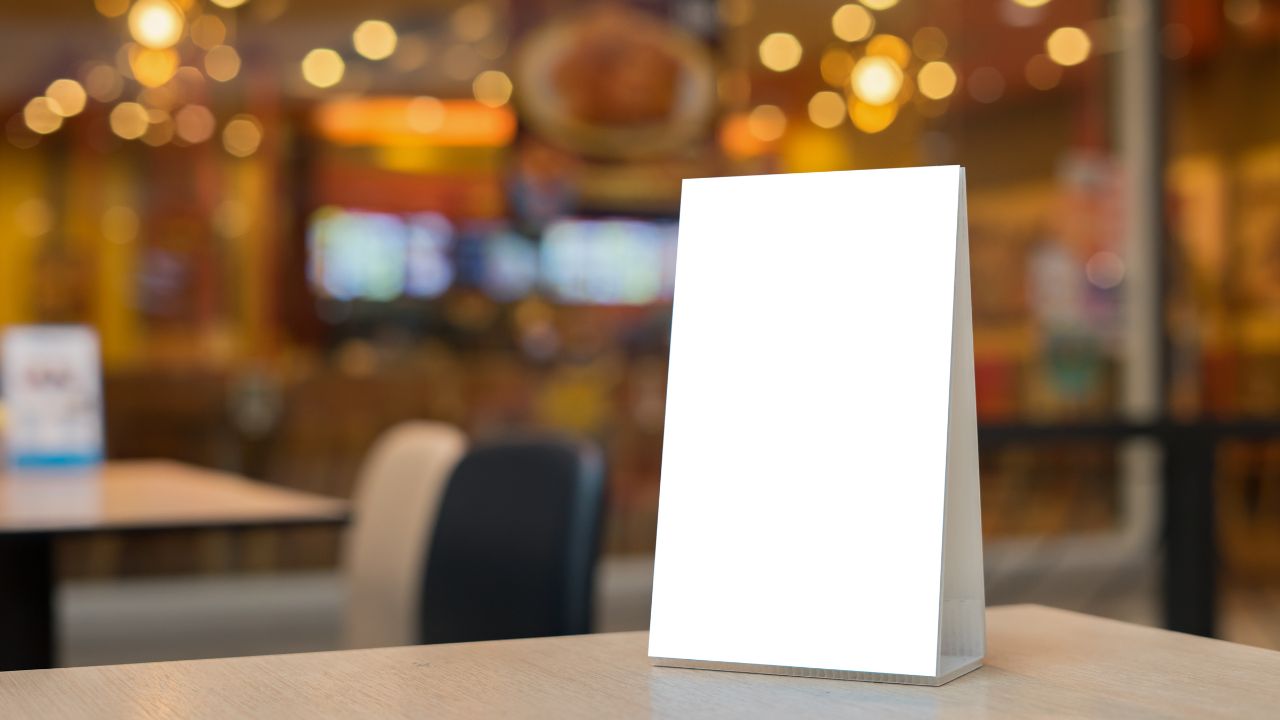
Healthcare sites use clear view display holders made with recycled acrylic. These reduce waste and keep patient info easy to read.
Why Acrylic Still Leads the Industry
New display material technology is growing, but acrylic still leads. It balances clarity, strength, and cost. It’s easier to ship, make, and customize than glass or metal.
Now, sustainable acrylic displays with recycled content meet both budget and green goals. For buyers in the retail industry, acrylic is the clear choice for ROI, reliability, and eco-friendly signage materials.
The Displays & Holders Advantage
Displays & Holders has been a leader in acrylic display products for 35+ years. With laser cutting, CNC routing, and injection molding, the company builds innovative display holder materials for many industries.
From sustainable acrylic displays to recycled plastic tabletop brochure holders, they deliver eco-friendly solutions that last. With U.S.-based production and quick lead times, they support retail, healthcare, hospitality, and corporate buyers.
When businesses want both new ideas and long-term trust, Displays & Holders is the right partner.