










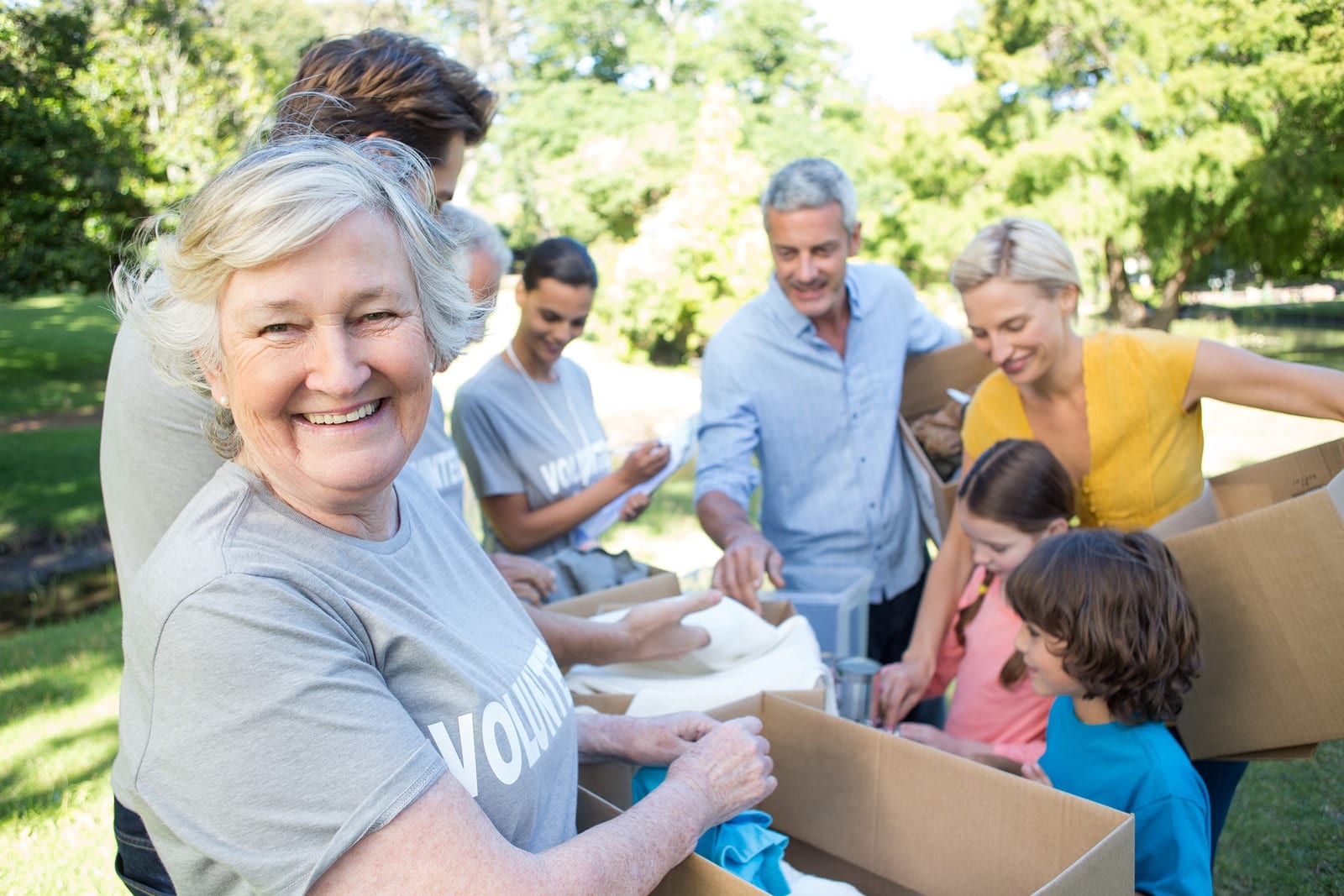
A well-designed giving box can collect meaningful charitable donations in almost any public space, from café counters to community centers to in-person events. The challenge is that most people walk past dozens of donation boxes in a typical week and contribute cash donations only to the few that earn their attention. The right donation box ideas — visual design, location, copywriting, and follow-through — make the difference between a box that sits ignored and one that meaningfully funds your cause.
This guide walks through donation box ideas you can use across settings — coffee shops, retail counters, in-person events, food bank drives, school book initiatives, and any local charity collection point. We will cover design and color, placement and security, copy and headlines, the role of donation collection boxes inside a larger fundraising strategy, and how to follow up with donors after the fact. By the end you will know which ideas fit your cause and how to put them to work.
Key Takeaways
- Design Signals Trust: Cheap, improvised donation boxes get ignored. A clear acrylic giving box with intentional graphics tells donors their cash is being handled with care, which directly raises contributions.
- Location Beats Decoration: A perfectly designed box in a low-traffic corner will underperform a plain box at a register. Place it where people already pause and you will collect more cash donations from the same foot traffic.
- Lead With Outcomes, Not Asks: A short headline that tells donors what their money does outperforms a generic plea every time. Compress your fundraising story to a single line and let the box do the rest.
- Match the Box to the Setting: A countertop acrylic box for cafés, a lockable mailbox-style box for unattended offices, and a larger floor model for in-person events. The right format earns trust in each context.
- Connect to a Bigger Fundraising Strategy: A donation box rarely funds a cause alone. Pair it with a QR code, donation form, or sign-up sheet so a one-time gift turns into a lasting relationship with your local charity.
Donation Box Ideas That Earn More Contributions
The donation boxes that consistently fill up share four traits. They look intentional rather than improvised, they sit in a high-traffic spot, they tell a clear story about where the money is going, and they are built well enough that donors trust them with cash. Cheap printer paper taped to a shoebox sends one signal; a clear acrylic giving box with a printed sign and a thoughtful headline sends an entirely different one. The product quality of the box itself is part of the message — it tells donors their contribution is being handled with the same care as everything else your organization does.
The good news is that none of these traits are expensive to get right. The sections below cover concrete donation box ideas you can apply this week, whether you are running a year-round giving tradition for a local charity or setting up donation collection boxes for a one-day fundraising campaign at an event.
Donation Box Ideas for Different Settings and Causes
A box that works on a coffee shop counter is not the same box that works at a school book fair or a food bank drive. The right donation box ideas vary with setting, audience, and the kind of contribution you are asking for. A few starting points by use case:
For a food bank or food pantry drive, pair a printed photo of finished meals with two adjacent containers — one for cash and one for canned food donations. For a community library running a literacy initiative such as a read with empathy collection, place a small acrylic box right next to the books being collected so the connection is immediate. For school PTAs and youth sports, lean into a giving tradition framing — name the box after the year's specific goal so families can see what the money is funding. For office or workplace drives, use a heavier, lockable mailbox-style metal box with a slot too narrow for hands; it signals seriousness and keeps the contents secure between pickups.
How Do Color and Contrast Make a Donation Box Stand Out?
Since donation boxes are ubiquitous on café counters, most people glance past them without paying much attention. This means that your donation box, no matter how great its message might be, is rarely noticed by most people.
In many ways, this is similar to advertising fatigue – a phenomenon where people pay less attention to each individual advertisement they notice due to the massive number of advertisements they come into contact with over the course of a day.
The best way to make your donation box stand out and get noticed is to use colors that attract attention. Choose a high-contrast color combination that makes your donation box stand out and you’ll increase the number of people that notice it.
Where Should You Place a Donation Box for Maximum Visibility?
Where is your donation box placed? The key to increasing the amount of attention your donation box generates – and, as a result, the amount of cash it receives – is to place it in an obvious, high-traffic location.
The classic donation box location – on a café or restaurant counter – is a good one, but it’s not always the best. Other great locations include on information desks in a hotel or shopping center, or on each table in your restaurant.
Study foot traffic patterns throughout your restaurant, café or space to learn which areas receive the most traffic. You can then place your donation box in an area that receives a lot of passersby, increasing the amount of attention it receives.
What Makes a Donation Box Headline Work?
Donation boxes aren’t all that different from direct mail letters or brochures – they need an engaging headline, persuasive copy and enough images to attract people’s attention and convince them to take action.
Does your donation box have an engaging, eye-catching headline. A great headline should communicate, in just a few words, exactly why people should pay attention and leave their change in your donation box.
Ask a thought-provoking question or compress your fundraising story into a single line that explains how important their donation is for your cause. The more engaging your headline is, the greater its positive impact on contributions will likely be.
How Do You Make a Donation Box Visually Appealing?
When designing a donation box that grabs attention and drives contributions, visual appeal is critical. With the right design elements, you can make your donation box memorable and encourage generosity. Here are some key design considerations:
- Use Bold Colors that Draw Attention: Bright, bold colors like red, yellow, or blue are visually appealing and naturally draw the eye. However, ensure that the colors align with your brand or cause. If the donation is for a specific charity, consider using the colors from their logo to create a unified look.
- Create Clear and Compelling Messaging: The message on your donation box should be concise and powerful. Consider including a brief, impactful call-to-action (CTA) like "Make a Difference Today!" or "Support Local Families in Need." Use large, readable fonts that can be seen from a distance, making it easy for people to understand the purpose of your donation box at a glance.
- Add Images and Graphics: Visuals often communicate a cause more effectively than text alone. Consider including high-quality images related to the cause, such as pictures of people or animals that would benefit from donations. Adding icons or symbols like a heart or helping hand can also visually convey the concept of giving.
- Place the Donation Box Strategically: Location plays a huge role in how much attention your donation box receives. Place it in high-traffic areas where it’s easily visible, such as near the checkout counter, entrance, or exit. For fundraising events, set up donation boxes at prominent spots like information booths or refreshment tables to increase visibility.
- Ensure a Secure and Durable Design: A well-built, secure donation box protects contributions and builds trust. Opt for durable materials like acrylic for high quality sign holders or metal, which provide both security and a sleek look. A transparent design can further encourage donations, as people can see contributions growing over time, creating a social incentive to add their own.
By incorporating these design and placement strategies, your donation box can effectively capture attention and increase contributions for your cause.
How Should You Explain Your Cause on a Donation Box?
Today, there are thousands of nonprofit organizations and charities competing for people’s attention and cash. How does your cause stand out from the crowd as one that people should pay attention to?
Copywriting for a donation box goes beyond crafting a great headline. You also need to clearly explain what people are donating to. This helps increase their feeling of contributing to a worthy cause when they donate.
If your message isn’t clearly defined, few people will take action and support your nonprofit organization. Use your copy to explain what people are donating to and you’ll increase the number of people that take action and give.
A few specifics on how to phrase your fundraising story for the box itself: lead with the outcome rather than the input. "Three dollars puts a hot meal on the table" lands harder than "Please donate to our food drive." Where it fits, name the recipient — a local school, a nearby food bank, a specific neighbor's recovery — because specificity is more persuasive than generic appeals. If your campaign accepts food donations alongside cash, say so plainly on the box so people are not surprised when they reach the counter with a can of soup.
Finally, give donors a way to keep going. Add a small QR code that opens an online donation form for people who want to give more than the cash in their pocket, or include the URL of a sign-up page for volunteers. The donation box does the work of capturing attention in the moment; the QR code or printed link does the work of carrying that momentum forward into a longer relationship with your cause.
How to Connect Your Donation Box to a Larger Fundraising Strategy
A donation box rarely funds a cause on its own. Treat it as one channel inside a broader fundraising strategy that includes online giving, mailers, in-person events, and recurring donor outreach. The box captures attention from people who happen to walk by; the rest of your fundraising campaign captures attention from people who already care. The two work best together.
Use the box to capture interest, then move that interest somewhere you can follow up. A QR code on the box that links to a donation form or a newsletter signup turns a one-time cash donation into a relationship. For in-person events, set the box next to a sign-in sheet so volunteers can collect names and emails directly. Over time, this is what turns a passing café visitor into a recurring contributor to your local charity.
Choose Donation Boxes Built for Real Use
All the design ideas in this guide land harder when the box itself is built well. Displays and Holders has manufactured acrylic donation boxes, suggestion boxes, and high-quality sign holders in Anaheim, California, since 1986. Browse the catalog to find clear acrylic donation boxes for café counters, larger floor models for in-person events, and lockable options for offices and unattended locations. Quality fixtures earn donor trust and quietly do their job year after year, which is exactly what a donation box should do.
FAQs
Q1. What are the best donation box ideas for a small business or café?
A. Use a clear acrylic giving box with a printed sign featuring a high-contrast color, a single-line headline, and a short note about who benefits. Place it next to the register where customers naturally pause. Add a QR code to a donation form for anyone who wants to give more than the change in their pocket.
Q2. Should a donation box be transparent or solid?
A. Transparent works best in supervised, high-trust spaces like cafés or community events because seeing previous contributions creates social proof and encourages new donors to add their own. Solid or lockable mailbox-style boxes are better for unattended locations or offices where security and discretion matter more than visibility.
Q3. How big should a donation box be?
A. Match the size to the setting. A countertop box should be small enough to share space with a register and tip jar, roughly the size of a tissue box. Floor-standing donation collection boxes for events or lobbies can be larger, but make sure the slot is sized for the contributions you expect — a slot too small for folded bills will discourage cash donations.
Q4. How often should a donation box be emptied?
A. There is no single rule, but two principles apply. Empty often enough that the box never looks overflowing, and consistently enough that it does not look stuffed for so long that contents could be at risk. For most café and retail settings, a weekly empty by a designated person is a good default. For high-traffic events, empty mid-day so the box stays inviting.
Q5. How do you build donor trust with a donation box?
A. Three things, in order. First, name the recipient organization clearly on the box itself. Second, invest in build quality so the box does not feel disposable; product quality is part of trust. Third, share the result — a sign in the same spot a month later showing how much was raised and what it funded turns a one-time donor into someone who comes back next time.